



What's Happening?
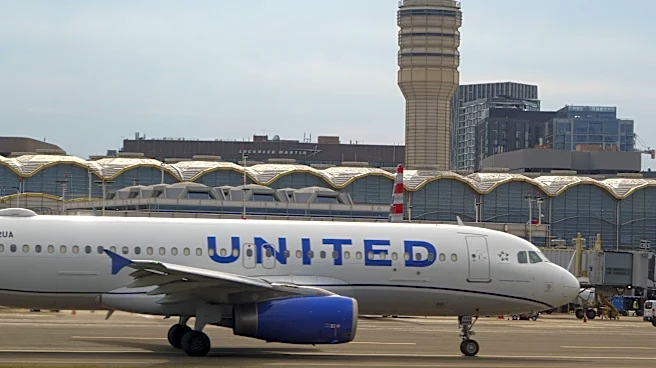
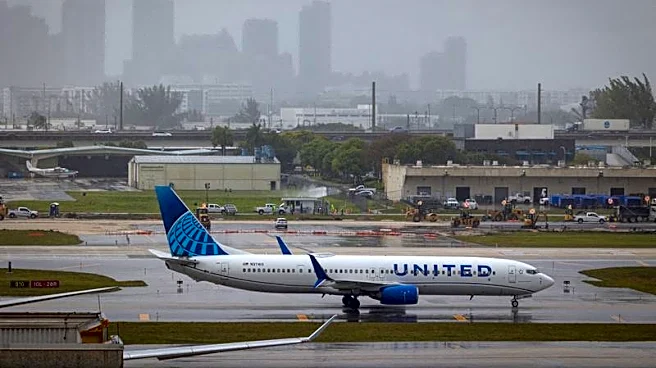
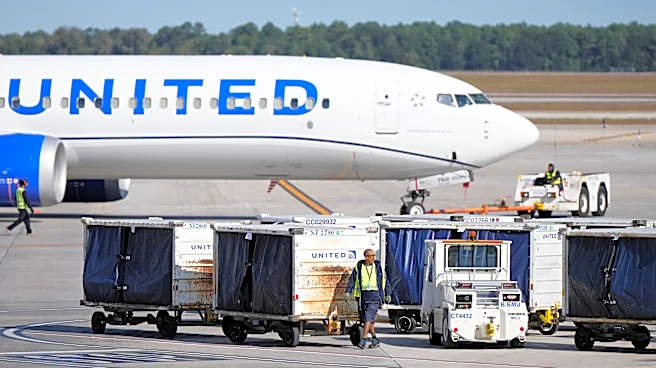
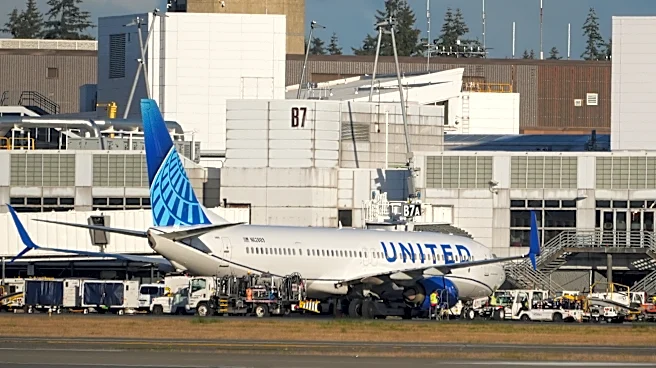
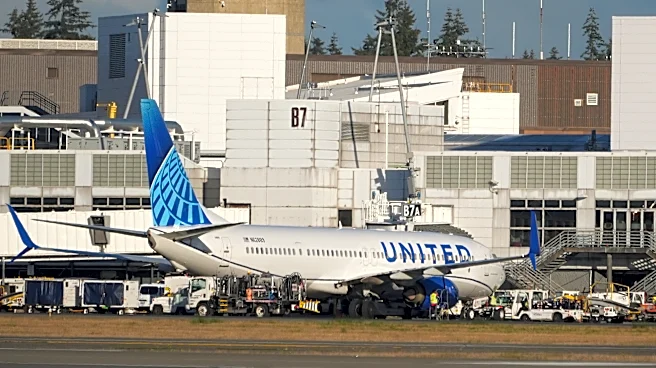
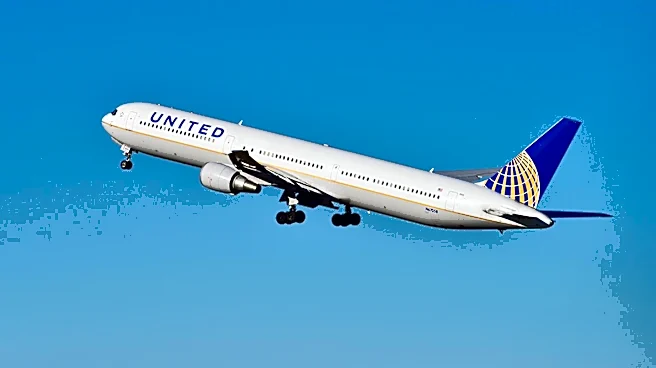
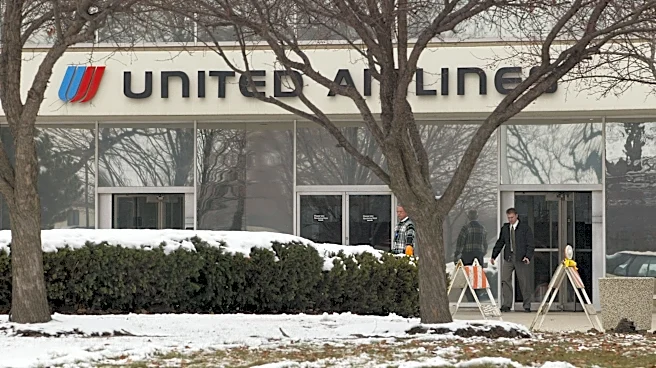
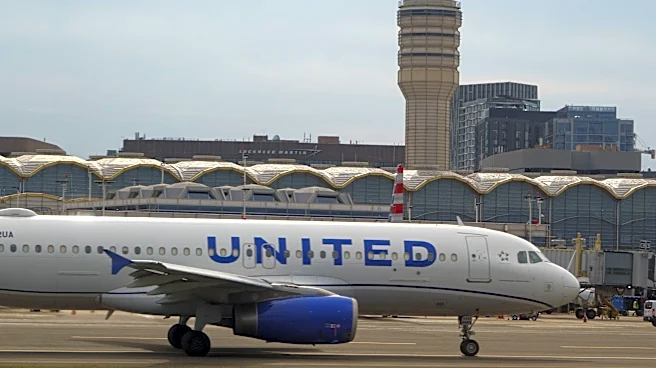
United Airlines experienced a systemwide technology issue that led to delays for hundreds of departing flights. The Chicago-based airline confirmed that the problem affected flights scheduled to depart but did not impact flights already in progress or those
operated by its United Express regional network. The company quickly resolved the issue and stated there was no indication that the outage was related to cybersecurity. This incident occurred just days after a separate malfunction in the Federal Aviation Administration’s (FAA) network caused a nationwide ground stop, highlighting recent vulnerabilities in air travel infrastructure. United Airlines issued an apology to its customers for the inconvenience caused by the delays, which temporarily disrupted travel plans for many passengers.
Why It's Important?
This systemwide outage at United Airlines, following closely on the heels of an FAA network malfunction, underscores the critical reliance of modern air travel on robust and resilient technology infrastructure. Such incidents can have significant economic impacts, leading to lost revenue for airlines, missed connections for passengers, and broader disruptions to business and personal travel. The repeated nature of these technology-related disruptions within a short period raises concerns about the overall stability and security of the U.S. air transportation system. For the airline industry, these events highlight the need for continuous investment in technology upgrades, redundancy systems, and comprehensive cybersecurity measures to prevent future occurrences and maintain public confidence in air travel. Passengers, in turn, face increased uncertainty and potential financial losses due to unexpected delays and cancellations.
What's Next?
Following the resolution of the systemwide outage, United Airlines will likely conduct an internal review to identify the root cause of the technology issue and implement measures to prevent similar incidents in the future. This may involve upgrading software, enhancing system redundancies, or improving internal protocols for managing technical disruptions. The airline industry as a whole, potentially in conjunction with regulatory bodies like the FAA, may face increased scrutiny regarding the resilience of their IT systems. Passengers can expect continued emphasis from airlines on communication during disruptions, and there might be a push for more transparent information sharing regarding the causes and resolutions of such outages. The recent string of incidents could also prompt broader discussions about national infrastructure resilience in the face of technological dependencies.
Beyond the Headlines
The recurring technology failures impacting air travel, from the FAA ground stop to United Airlines' systemwide outage, reveal a deeper vulnerability within critical national infrastructure. These events highlight the complex interdependencies of modern systems and the cascading effects that a single point of failure can trigger across an entire industry. Beyond the immediate inconvenience, such disruptions can erode public trust in the reliability of essential services and raise questions about national preparedness for large-scale technological failures, whether accidental or malicious. The incidents also underscore the ethical responsibility of corporations and government agencies to invest adequately in maintaining and securing the digital backbone of critical sectors, ensuring not only operational efficiency but also public safety and economic stability. This ongoing challenge requires a holistic approach to infrastructure resilience, encompassing technological, operational, and policy dimensions.