







What's Happening?
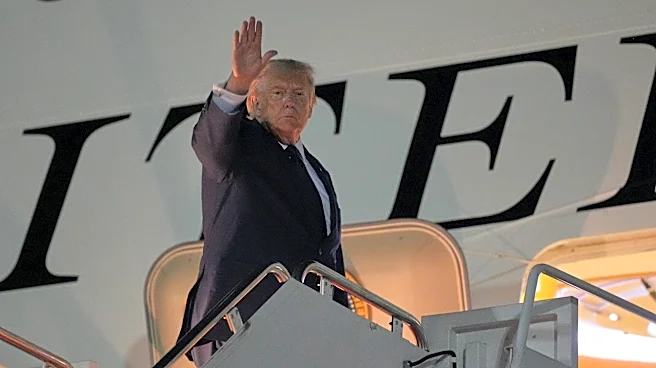
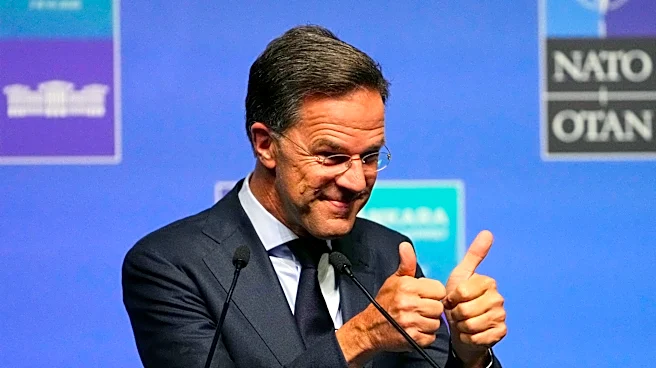
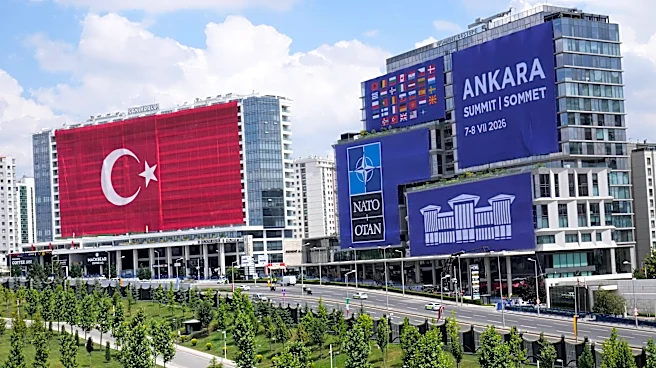
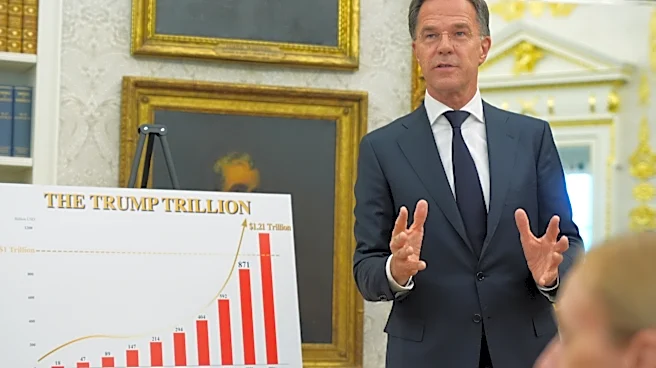
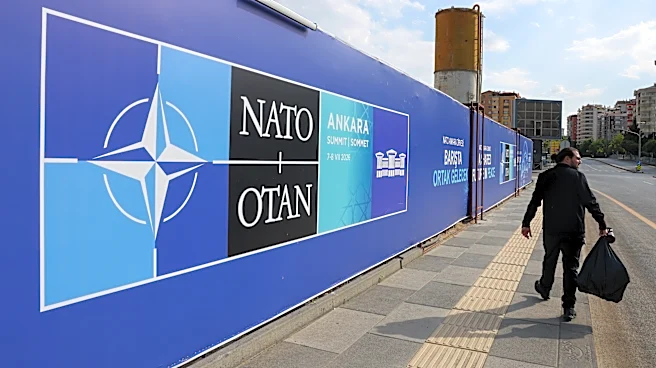
NATO leaders are convening in Ankara for a summit marked by diplomatic challenges, primarily due to President Trump's demands for increased defense spending by member countries. Trump has criticized the current spending levels, highlighting a disparity
between the U.S. and European nations. He has called for allies to present concrete plans to meet NATO's spending targets, urging them to reach a 5% contribution with urgency. This summit follows a period of tension, with Trump previously threatening to take control of Greenland and expressing dissatisfaction with European leaders over military strategies, including the U.S. and Israel's actions against Iran.
Why It's Important?
The summit's outcome could significantly impact NATO's cohesion and future defense strategies. President Trump's demands for increased spending reflect ongoing U.S. concerns about burden-sharing within the alliance. If European nations fail to meet these expectations, it could strain transatlantic relations and affect collective defense capabilities. The U.S.'s potential reduction of troops in Europe further complicates the situation, potentially altering the balance of military power in the region. The summit's decisions will influence NATO's ability to respond to global threats, particularly in the context of Russian aggression and other geopolitical challenges.
What's Next?
NATO members are expected to announce new arms contracts, signaling a commitment to enhancing defense capabilities. However, the extent to which European allies will meet President Trump's spending demands remains uncertain. The summit's outcomes will likely prompt reactions from political leaders and defense analysts, with potential implications for future U.S.-Europe relations. The ongoing dialogue about defense spending and military strategy will continue to shape NATO's policies and its role in global security.