





What's Happening?
The Israel Educational Travel Alliance (IETA) has released a new survey projecting a 14% increase in participants for Israel trips in 2026 compared to 2025, following a significant drop in participation due to the 12-day June Iran war. While this represents
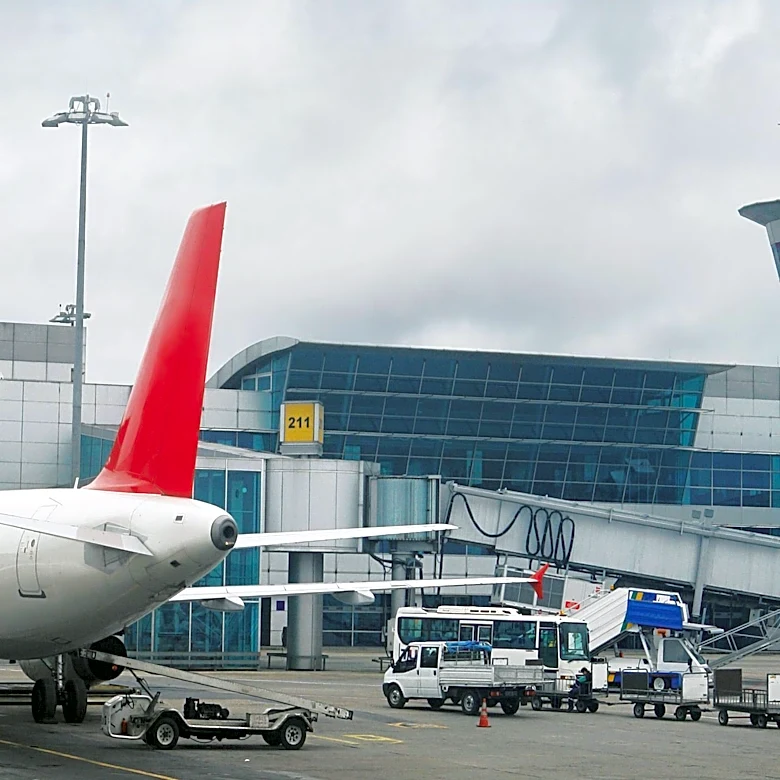
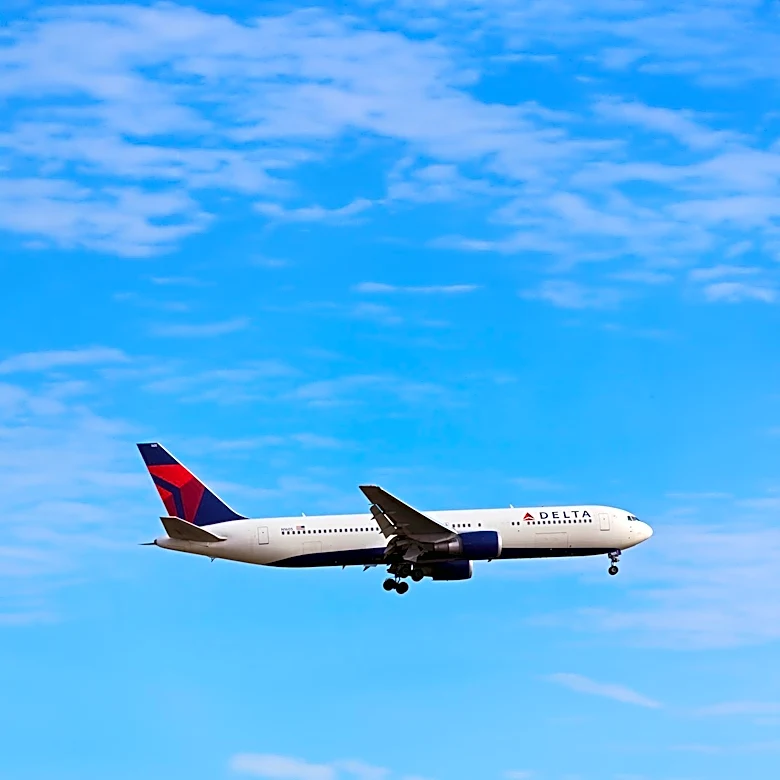
a bounce-back, it is significantly less than initial projections. The survey found that participation among less-engaged Jews is expected to be 40% below original forecasts, and non-Jewish and interfaith programs are 50% below. Overall, IETA now projects 52,000 participants for 2026, a 20% decrease from pre-war projections of nearly 70,000. Rabbi David Levy, IETA's executive director, cited increased costs, including insurance and limited airfare options, and the strengthening of the shekel against the dollar as contributing factors. He also noted that the mood in the United States regarding travel to Israel is influencing decisions, particularly among less-engaged and non-Jewish audiences.
Why It's Important?
This report highlights the complex interplay of geopolitical events, economic factors, and social sentiment on educational and cultural travel. The significant increase in costs, coupled with a decrease in engagement from less-engaged Jewish and non-Jewish participants, indicates a challenge for organizations promoting these trips. For U.S. communities, particularly those involved in Jewish education and interfaith dialogue, the reduced participation among less-engaged groups could impact long-term engagement and understanding of Israel. The influence of the 'mood in the United States' on travel decisions underscores the broader societal and political context affecting international travel, potentially leading to a more insular or self-selecting group of travelers and impacting the diversity of participants in such programs.
What's Next?
Providers of Israel educational trips are shifting their focus from immediate post-war fallout to making trips more affordable. They are seeking financial incentives for participants, partnerships with local communities, and improved methods to measure trip impact. Rabbi Levy anticipates a bounce-back in participation in 2027, potentially meeting or exceeding pre-war projections for 2026. Organizations will likely need to address the increased costs through fundraising or by adjusting program structures, which could lead to fewer participants or staff cuts. The challenge of recruiting less-engaged participants will require innovative outreach strategies and a careful consideration of the prevailing sentiment in the United States regarding travel to Israel.
Beyond the Headlines
The survey's findings reveal a deeper societal implication: the impact of geopolitical events and domestic political climates on cultural exchange and identity formation, particularly among younger generations. The reduced pool of alumni from Israel trips since the COVID-19 pandemic further exacerbates recruitment challenges, as alumni often serve as key motivators for new participants. This suggests a potential long-term decline in the number of individuals with direct, immersive experiences in Israel, which could have implications for future U.S.-Israel relations and the broader Jewish diaspora's connection to Israel. The increased costs and the 'mood in the United States' also highlight the growing politicization of international travel and its potential to create barriers to cross-cultural understanding and engagement.