






What's Happening?
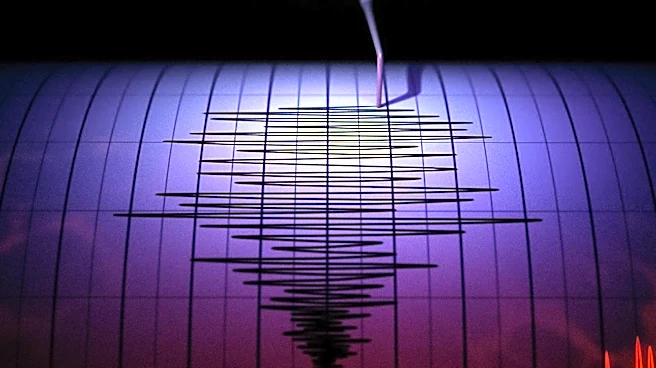
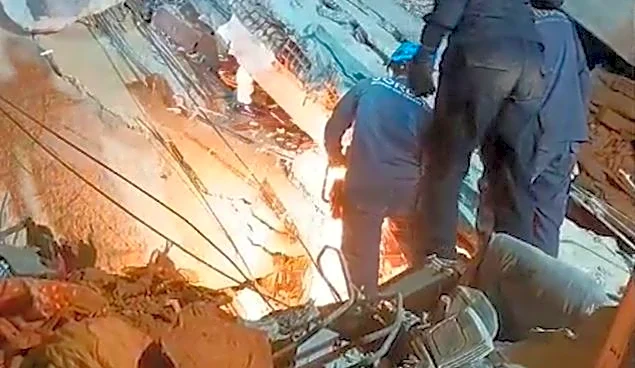
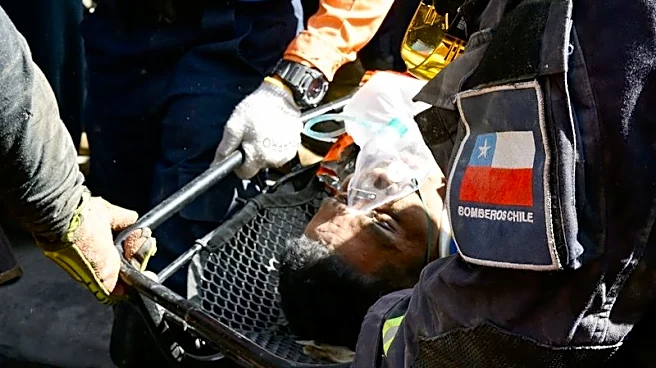
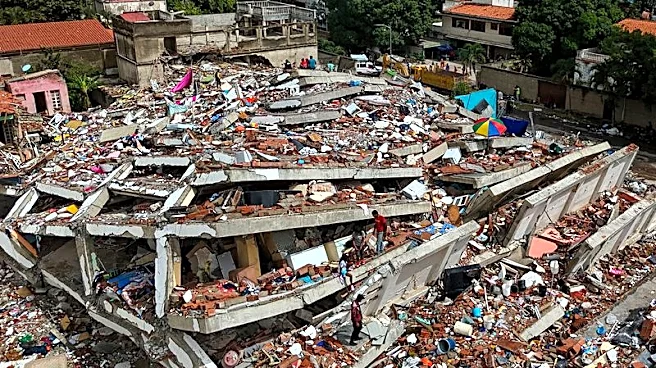
A devastating series of earthquakes struck Venezuela, with magnitudes of 7.2 and 7.5, causing widespread destruction and a significant humanitarian crisis. The earthquakes have resulted in over 1,900 deaths and more than 10,000 injuries, with many more feared
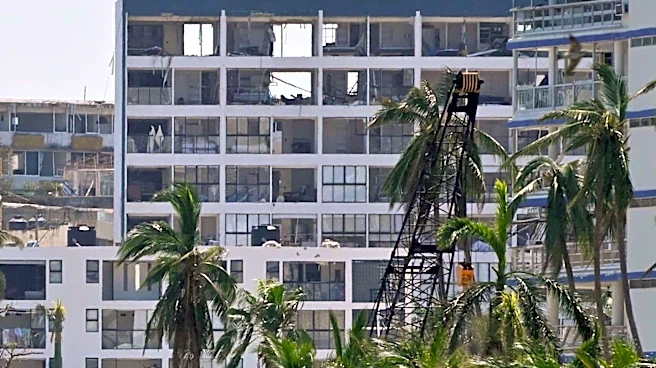
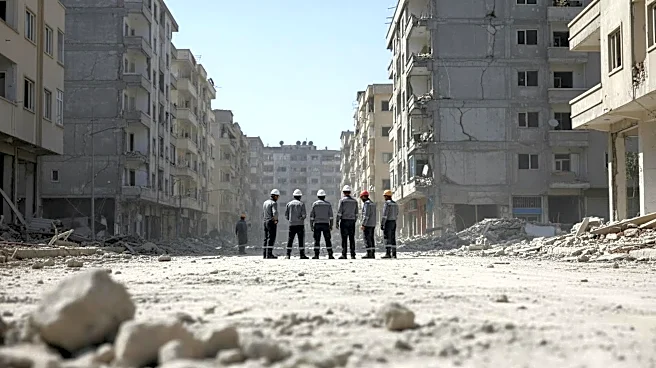
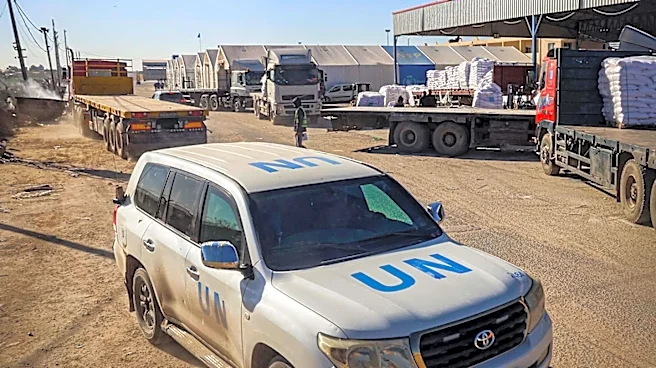
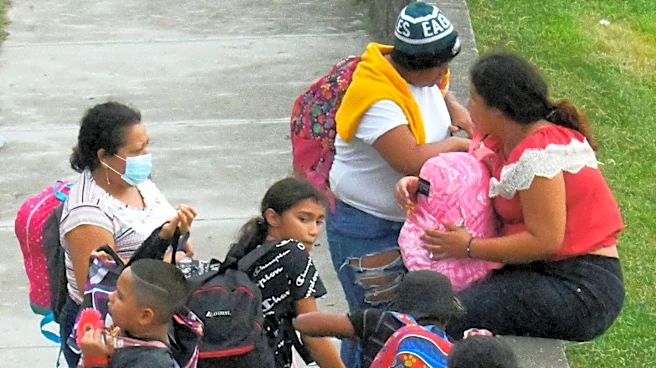
trapped under the rubble. In response, UNICEF has dispatched a shipment of 47 metric tons of humanitarian supplies to Venezuela. These supplies include emergency health kits designed to provide urgent medical care, safe birth supplies, newborn care, and disease prevention and treatment resources. The aid aims to support the thousands of displaced individuals, particularly children, who are in dire need of assistance. The situation is exacerbated by the destruction of nearly 59,000 buildings, leaving hundreds of thousands of people affected and in need of shelter and medical care.
Why It's Important?
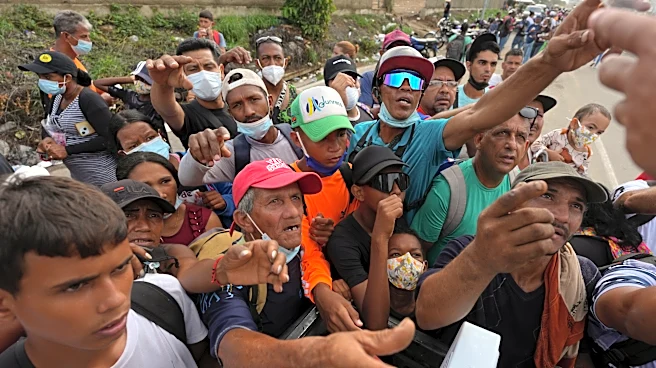
The delivery of humanitarian aid by UNICEF is crucial in addressing the immediate needs of the Venezuelan population affected by the earthquakes. With a significant number of people displaced and living in unsanitary conditions, there is an urgent need for medical supplies and support to prevent further health crises. The aid is particularly vital for children, with UNICEF estimating that 680,000 children require humanitarian assistance. The international response highlights the severity of the situation and the need for continued support to prevent a worsening humanitarian disaster. The aid also underscores the importance of global cooperation in times of natural disasters, as countries and organizations come together to provide relief and support to those in need.
What's Next?
As rescue operations continue, the focus will likely shift towards long-term recovery and rebuilding efforts. The Venezuelan government, along with international organizations, will need to coordinate efforts to provide sustainable solutions for housing, healthcare, and infrastructure rebuilding. The international community may also need to increase its support to ensure that the immediate and long-term needs of the affected population are met. Monitoring the situation will be crucial to adapting the response to the evolving needs on the ground. Additionally, there may be calls for improved disaster preparedness and response strategies to mitigate the impact of future natural disasters.
Beyond the Headlines
The earthquakes in Venezuela highlight the broader challenges faced by countries with limited resources in responding to natural disasters. The situation raises questions about the adequacy of existing infrastructure and emergency response systems in such regions. It also brings attention to the role of international aid in supporting vulnerable populations and the ethical considerations of ensuring equitable distribution of resources. The crisis may prompt discussions on the need for stronger global frameworks for disaster response and the importance of building resilient communities capable of withstanding future shocks.