








What's Happening?
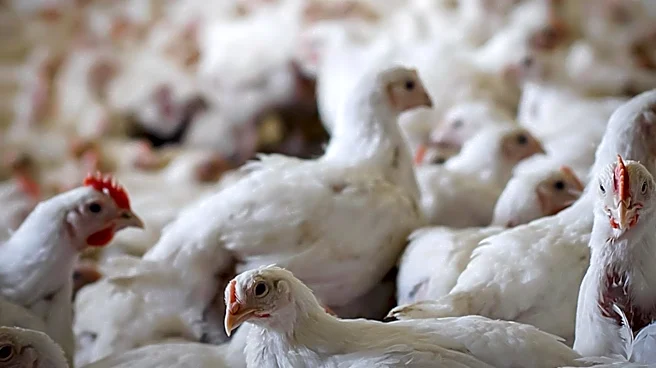
The New Roots Institute has released information detailing the extensive suffering and systemic harm associated with industrial-scale animal confinement, commonly known as factory farming. According to the Institute, this practice exploits billions of
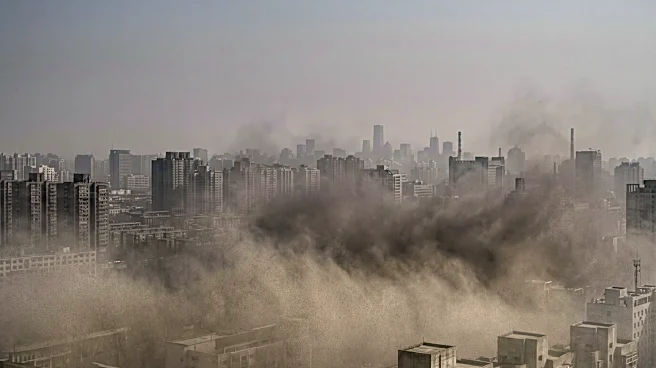
animals and contributes to a range of interconnected issues affecting people and the planet. These issues include significant contributions to climate change, widespread environmental degradation, and threats to public health. Furthermore, factory farming endangers workers within the industry and negatively impacts surrounding communities. The Institute emphasizes that understanding these broad consequences is crucial for developing a more equitable and sustainable food system. They offer a 'Factory Farming Facts Brochure' through their Learning Hub for those seeking deeper insights into animal welfare, environmental impacts, public health, and social justice concerns related to this industry.
Why It's Important?
The information from the New Roots Institute underscores the critical and far-reaching implications of industrial animal agriculture on U.S. society and the environment. The exploitation of billions of animals raises significant ethical concerns, while the industry's contribution to climate change and environmental degradation poses long-term risks to natural resources and public health across the nation. Communities located near factory farms often bear the brunt of pollution, experiencing adverse health effects and diminished quality of life. Economically, the reliance on factory farming can create a system that prioritizes mass production over sustainable practices, potentially disadvantaging smaller, more ethical farming operations. Addressing these issues is vital for public health, environmental sustainability, and the ethical treatment of animals, impacting consumers, policymakers, and the agricultural sector alike.
What's Next?
The New Roots Institute's efforts to raise awareness about factory farming's impacts suggest a continued push for greater public understanding and potential policy changes. Increased public awareness, fueled by such educational initiatives, could lead to greater consumer demand for ethically and sustainably produced food, potentially shifting market dynamics. This could also encourage advocacy groups to press for stricter regulations on animal welfare, environmental protection, and worker safety within the agricultural sector. Policymakers may face growing pressure to consider legislation that addresses the negative externalities of factory farming, such as pollution controls, animal welfare standards, and support for alternative food systems. The ongoing discourse aims to foster a more just and sustainable food system, which could involve significant transformations in agricultural practices and consumer choices.
Beyond the Headlines
Beyond the immediate environmental and public health concerns, the New Roots Institute's focus on factory farming touches upon deeper ethical and societal questions regarding humanity's relationship with animals and the planet. The concept of 'exploitation' highlights a moral dimension, prompting reflection on the inherent value of animal life and the responsibilities of industrial food production. The interconnectedness of harm—from animals to people and the planet—suggests that factory farming is not merely an agricultural issue but a complex challenge with ethical, social justice, and even spiritual implications. This perspective encourages a re-evaluation of current food systems, urging a shift towards practices that align with broader principles of compassion, sustainability, and equity, potentially influencing cultural norms around food consumption and production in the long term.