


What's Happening?
The U.S. Congress has passed a $900 billion defense policy bill, known as the National Defense Authorization Act, with a bipartisan vote of 77-20. The legislation includes a 3.8% pay raise for military service members, effective January 1, 2026. It also
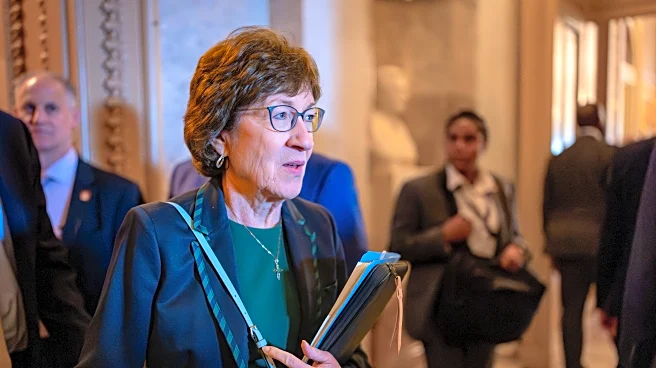
allocates significant funding for military infrastructure, such as new dining facilities, schools, and child care centers for service members' families, as well as renovations to military hospitals. Additionally, the bill grants the Lumbee Tribe in North Carolina official federal recognition. However, the bill has faced criticism from some lawmakers, including Senator Patty Murray, who opposed it due to its lack of provisions to curb recent military actions in Venezuela and the exclusion of expanded health care coverage for in vitro fertilization treatments for service members.
Why It's Important?
The passage of this defense bill is significant as it reflects ongoing bipartisan support for military funding and infrastructure improvements. The pay raise for service members is a notable aspect, highlighting the government's commitment to supporting military personnel. The federal recognition of the Lumbee Tribe marks a historic achievement for the tribe, opening access to federal programs and resources. However, the bill's exclusion of certain provisions, such as expanded IVF coverage, indicates ongoing debates over military policy and healthcare benefits. The criticism regarding military actions in Venezuela underscores tensions over U.S. foreign policy and military engagement.
What's Next?
The implementation of the pay raise and infrastructure projects will proceed as planned, with potential impacts on military families and communities. The recognition of the Lumbee Tribe will likely lead to increased access to federal resources and support. Meanwhile, the criticism of the bill's provisions may lead to further legislative efforts to address the concerns raised, particularly regarding military actions and healthcare coverage. The bipartisan effort to reverse the helicopter warning exemption indicates ongoing attention to airspace safety and military regulations.