









What's Happening?
Millions of Americans participated in the Sail250 events, celebrating the 250th anniversary of American independence. The events, which began in New Orleans after Memorial Day and concluded in Boston, featured a large gathering of international tall ships
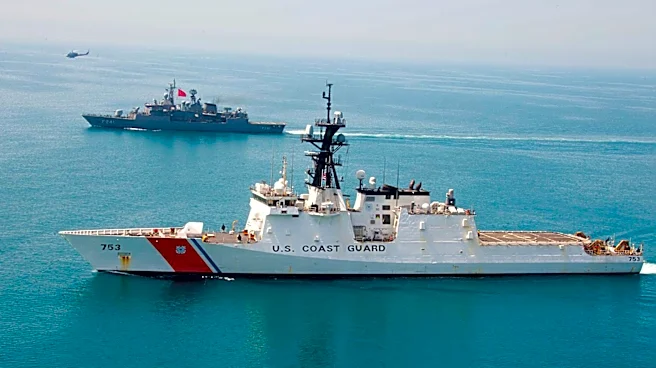
and naval vessels. Key ports included New Orleans, Norfolk, Baltimore, New York, and Boston. The U.S. Coast Guard ensured maritime safety and security throughout the event, which saw over 60 military and tall ships from 20 countries. In Boston, visitors had the opportunity to board historic ships such as the ELISSA, the Mayflower II, the USS Constitution, and the USCG Eagle. The ELISSA, a National Historic Landmark, participated in a flotilla in New York Harbor on July 4. The Mayflower II, a replica of the original Mayflower, serves as a floating classroom and is listed on the National Register of Historic Places. The USS Constitution, the oldest commissioned warship, and the USCG Eagle, a training vessel for Coast Guard cadets, were also featured.
Why It's Important?
The Sail250 events highlight the rich maritime heritage of the United States and serve as a reminder of the country's historical milestones. By bringing together ships from around the world, the events foster international camaraderie and cultural exchange. The participation of historic vessels like the USS Constitution and the Mayflower II underscores the importance of preserving maritime history for educational purposes. The events also boost local economies by attracting millions of visitors to port cities, providing a significant economic impact through tourism and related activities. Additionally, the involvement of the U.S. Coast Guard in ensuring safety and security demonstrates the importance of maritime operations in national security and commerce.
What's Next?
Following the conclusion of the Sail250 events, there may be increased interest in maritime history and heritage tourism. Port cities that hosted the events could see a sustained boost in tourism as visitors continue to explore historic ships and maritime museums. The success of the events may encourage similar large-scale maritime celebrations in the future, potentially leading to more international collaborations. The U.S. Coast Guard's role in the events could lead to further discussions on enhancing maritime safety and security measures. Additionally, the events may inspire educational initiatives focused on maritime history and its significance in American culture.
Beyond the Headlines
The Sail250 events not only celebrate American independence but also highlight the evolving role of maritime activities in global diplomacy and cultural exchange. The presence of international ships fosters a sense of global unity and shared heritage. The events also emphasize the importance of preserving historic vessels as living museums that educate the public about past maritime endeavors. This celebration of maritime history can inspire future generations to appreciate and engage with the sea, potentially influencing career choices in maritime industries. Furthermore, the events underscore the need for continued investment in maritime infrastructure to support such large-scale gatherings.