








What's Happening?
A recent study by Forbes and WalletHub has identified the best and worst cities for renters across the United States. The rankings considered factors such as affordability, rental availability, and quality of life. Lincoln, Nebraska, was ranked as the best city
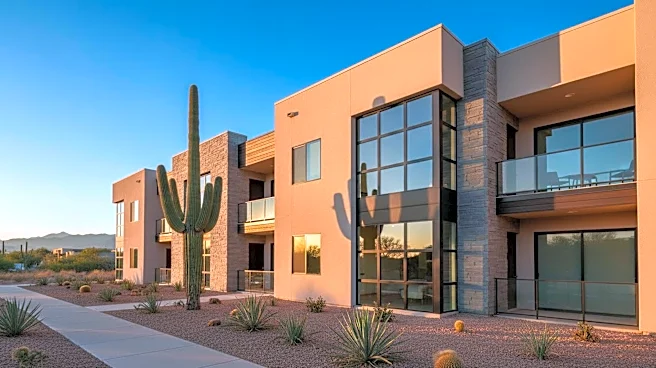
for renters by Forbes, while WalletHub placed Scottsdale, Arizona, at the top of its list. Both studies highlighted cities like Omaha, Raleigh, and Austin as favorable for renters. Conversely, Newark, New Jersey, was identified as the worst city for renters due to high rent increases and limited rental availability.
Why It's Important?
These rankings provide valuable insights for renters seeking affordable and quality housing options. Cities that rank highly often offer a combination of low housing costs, strong job markets, and good quality of life, making them attractive to renters. Conversely, cities with high rents and limited availability can pose significant challenges for residents, impacting their financial stability and quality of life. Understanding these dynamics can help policymakers and urban planners address housing affordability and availability issues, which are critical for economic growth and social equity.
What's Next?
As housing affordability continues to be a pressing issue, cities may need to implement policies that increase rental availability and control rent hikes. This could involve incentivizing the construction of affordable housing, revising zoning laws, and enhancing tenant protections. Additionally, cities struggling with high rents and limited availability might explore partnerships with private developers to expand housing options. The ongoing analysis of rental markets will likely continue to influence urban development and housing policies.
Beyond the Headlines
The study also highlights broader economic and social trends, such as the migration of people from high-cost coastal cities to more affordable inland areas. This shift could lead to changes in local economies, with potential impacts on job markets, infrastructure, and community services. Additionally, the focus on rental markets underscores the need for sustainable urban planning that balances growth with livability.