






What's Happening?
The Blast-Induced Neurotrauma (BINT) branch at the Walter Reed Army Institute of Research (WRAIR) has participated in a North Atlantic Treaty Organization (NATO) working group. This collaboration led to the development of new guidelines titled 'Guidelines
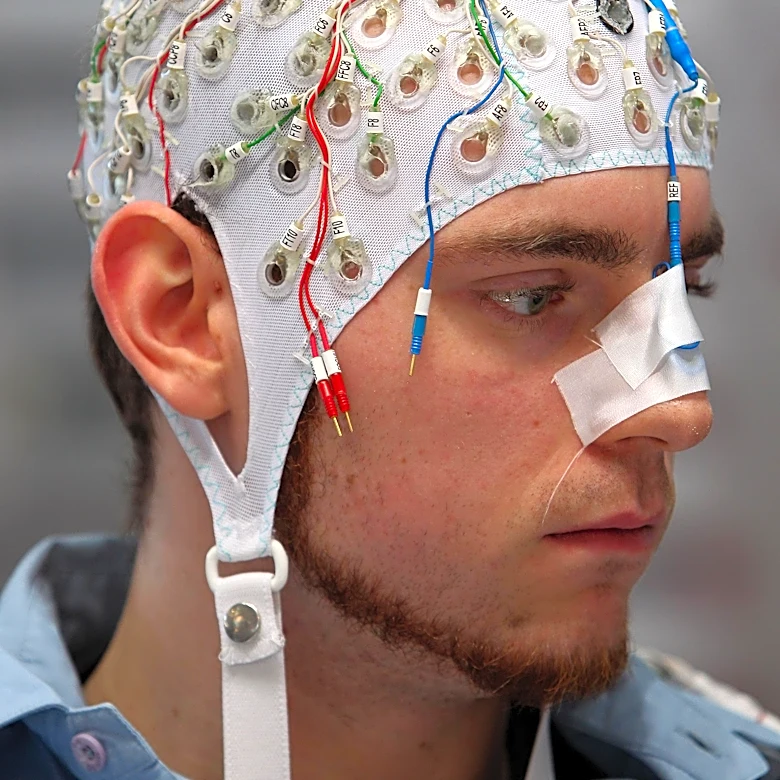
to Mitigate Military Occupational Brain Health Risks from Repetitive Blast Exposure.' These guidelines, an international effort involving eight nations, aim to minimize and mitigate brain health problems resulting from repeated blast exposure in military personnel. WRAIR contributed extensive research, including initial blast overpressure dose-response curves, which are models detailing the relationship between blast exposure during training and potential health consequences. The report is structured into three main sections: Interim Exposure Guidelines, Operational Guidelines, and Research & Development Guidelines.
Why It's Important?
This collaboration is critically important for the U.S. military and its NATO allies, as it directly addresses a significant health concern for service members. Repetitive blast exposure can lead to serious brain health issues, impacting the readiness and long-term well-being of military personnel. The new guidelines provide standardized safety thresholds and operational recommendations, which can lead to more effective training protocols and improved protective measures. For the U.S., this means potentially reducing the incidence of blast-induced neurotrauma among its troops, thereby preserving military capabilities and reducing healthcare costs associated with long-term care for affected veterans. The international cooperation also ensures that best practices are shared across allied forces, enhancing interoperability and collective defense capabilities.
What's Next?
The new NATO working group, which WRAIR is also a collaborator on, commenced in June 2026. Its primary objective is to develop a comprehensive research program to address existing knowledge gaps regarding the brain health consequences of blast overpressure. This program will also focus on implementing mitigation practices that can be adopted by NATO allies and partners. The ongoing research and development efforts will likely lead to further refinements of the guidelines, new technologies for protection, and enhanced diagnostic tools. The U.S. military will likely integrate these findings into its training and operational procedures, potentially influencing equipment procurement and medical support for service members. The long-term goal is to establish a robust framework for protecting military personnel from the debilitating effects of blast exposure.
Beyond the Headlines
Beyond the immediate military health implications, this initiative highlights a broader ethical and societal responsibility to protect those who serve. The distinction between blast injuries and concussions, as emphasized by Lt. Col. LoPresti, points to the evolving understanding of traumatic brain injuries and the need for specialized research and treatment. This work could also have spillover effects into civilian sectors, particularly in fields involving controlled explosions or high-impact environments. The collaborative nature of the project underscores the value of international scientific cooperation in addressing complex health challenges that transcend national borders. Ultimately, the success of these guidelines will be measured not only by their adoption but also by a measurable reduction in brain health issues among military personnel, reflecting a commitment to their long-term welfare.