





What's Happening?
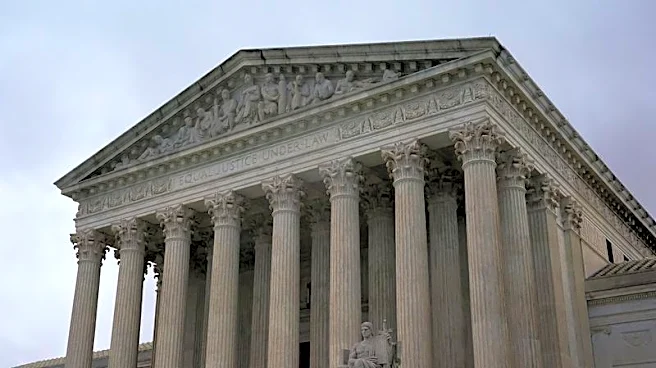
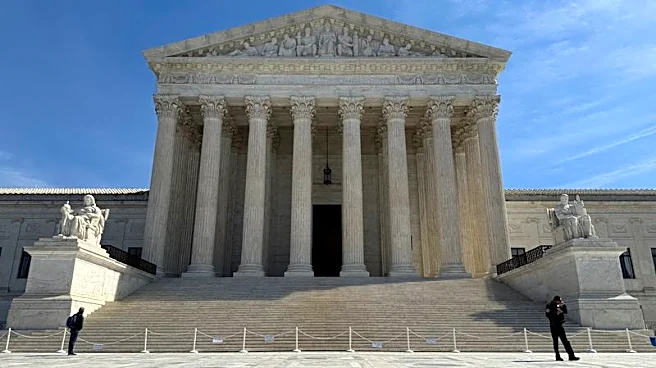
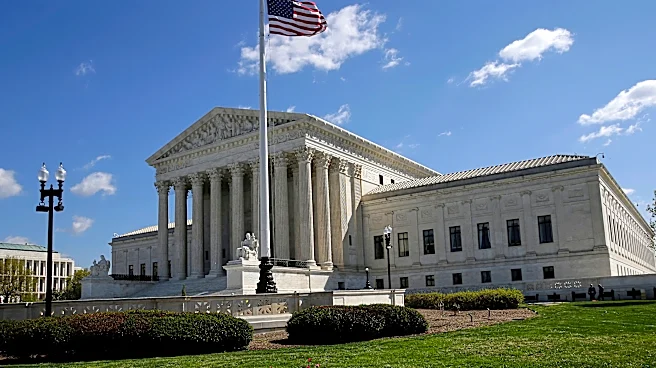
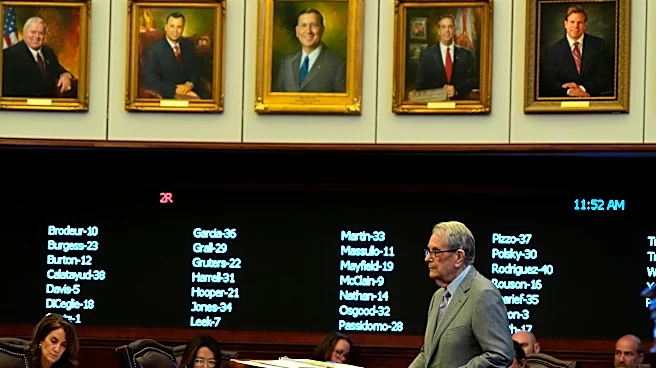
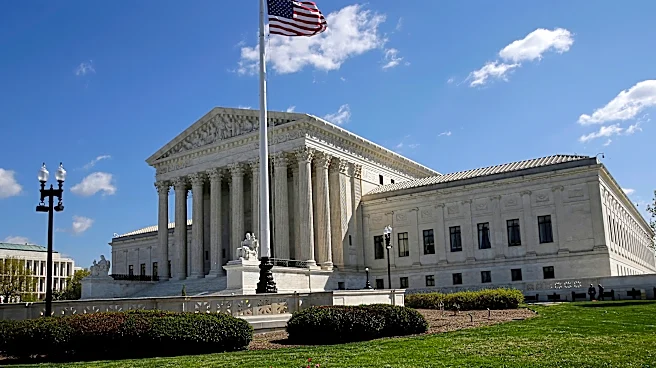
Louisiana Governor Jeff Landry has announced plans to suspend the upcoming May 16 primary elections for the House of Representatives. This decision follows a Supreme Court ruling that found Louisiana had unlawfully discriminated by race when creating
a second majority Black congressional district. The ruling, which limits a key provision of the Voting Rights Act, could potentially lead to Republicans gaining additional seats in the midterms. Landry's suspension aims to allow state lawmakers to redraw the congressional map before the elections. The announcement is expected to be made as early as Friday, just before early voting is set to begin. The suspension may apply only to the House primaries, leaving other elections, such as the Senate primary, unaffected.
Why It's Important?
The suspension of the House primaries in Louisiana is significant as it reflects ongoing national debates over redistricting and voting rights. The Supreme Court's decision to limit the Voting Rights Act could have broader implications for minority representation in Congress, particularly affecting Black Democrats in the South. By suspending the primaries, Louisiana may be able to redraw its districts in a way that could favor Republicans, potentially impacting the balance of power in the House. This move aligns with broader partisan strategies seen across the country, where both Republicans and Democrats are redrawing district lines to gain political advantage.
What's Next?
If Governor Landry proceeds with suspending the primaries, Louisiana lawmakers will need to quickly redraw the congressional map to comply with the Supreme Court's ruling. This could lead to legal challenges from critics who view the move as partisan. Additionally, voters may face confusion and logistical challenges if required to vote in separate primaries for different offices. The decision could also prompt other states to consider similar actions, further influencing the national political landscape ahead of the midterm elections.
Beyond the Headlines
The Supreme Court's ruling and subsequent actions by Louisiana highlight the ongoing tension between state and federal authority in election matters. The decision underscores the challenges in balancing political strategy with civil rights protections. As states navigate these complexities, the broader implications for voter disenfranchisement and minority representation remain critical issues. The situation in Louisiana may serve as a precedent for other states facing similar legal and political pressures.