




What's Happening?
Georgia lawmakers approved legislation in 2021 to observe Daylight Saving Time (DST) year-round, but its implementation is contingent on a change in federal law. The U.S. House recently voted 308-117 in July to advance the Sunshine Protection Act, which
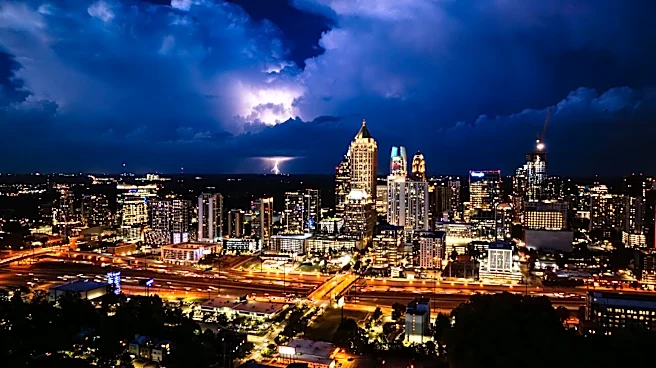
would allow permanent DST nationwide. However, this measure still requires approval from the U.S. Senate and the President's signature to become law. Currently, federal law mandates DST from the second Sunday in March through the first Sunday in November, meaning Georgia residents will still 'fall back' on November 1, 2026, unless federal legislation changes before then. If permanent DST were enacted, the most noticeable change in Georgia would occur during winter months, with sunrises and sunsets shifting approximately one hour later compared to the current standard time. For example, Atlanta's winter sunrise and sunset could shift from roughly 7:38 a.m. and 5:32 p.m. to 8:38 a.m. and 6:32 p.m. around the winter solstice. The amount of daylight would not increase; rather, it would be shifted to later hours.
Why It's Important?
The potential shift to permanent Daylight Saving Time in Georgia, and across the U.S., carries significant implications for daily life, public health, and economic activities. Later sunsets in winter could benefit retail and hospitality sectors by extending evening daylight hours, potentially encouraging more outdoor activities and consumer spending. However, later sunrises could pose challenges for morning commuters, school children, and outdoor workers, particularly in northern parts of the state, affecting sleep patterns and potentially increasing traffic accidents during darker morning hours. The debate over permanent DST also highlights a broader discussion about the federal government's role in regulating time zones and the desire of individual states to align their timekeeping with perceived benefits. The current legislative efforts reflect a growing national sentiment to end the biannual clock changes, which many find disruptive and unnecessary, impacting productivity and well-being.
What's Next?
The fate of Georgia's permanent Daylight Saving Time law now rests with the U.S. Senate, which must approve the Sunshine Protection Act for it to proceed. If the Senate passes the bill, it would then go to the President for signature to become federal law. Until such federal action occurs, Georgia will continue to adhere to the current DST schedule, with the next clock change set for November 1, 2026, when clocks will move back one hour. Should the federal law change, Georgia's existing state legislation would then take effect, making DST permanent. The ongoing legislative process will involve further debate and consideration of the various impacts of permanent DST on different regions and sectors. Public and stakeholder reactions to the Senate's decision will be closely monitored, as the outcome will affect millions of Americans.
Beyond the Headlines
The discussion around permanent Daylight Saving Time delves into deeper considerations beyond convenience, touching upon public health, energy consumption, and even historical precedents. Proponents argue that later sunsets could reduce seasonal depression, improve public safety by providing more daylight during evening commutes, and potentially decrease energy consumption by reducing the need for artificial lighting in the evenings. Conversely, critics raise concerns about the impact of darker mornings on children's school commutes, potential disruptions to circadian rhythms, and the lack of conclusive evidence regarding energy savings. The debate also reflects a cultural shift, as modern lifestyles and work patterns may no longer align with the original justifications for DST, which were often tied to agricultural and wartime energy conservation. The eventual decision will represent a significant policy choice with long-term implications for how Americans structure their daily lives and interact with their environment.