



What's Happening?
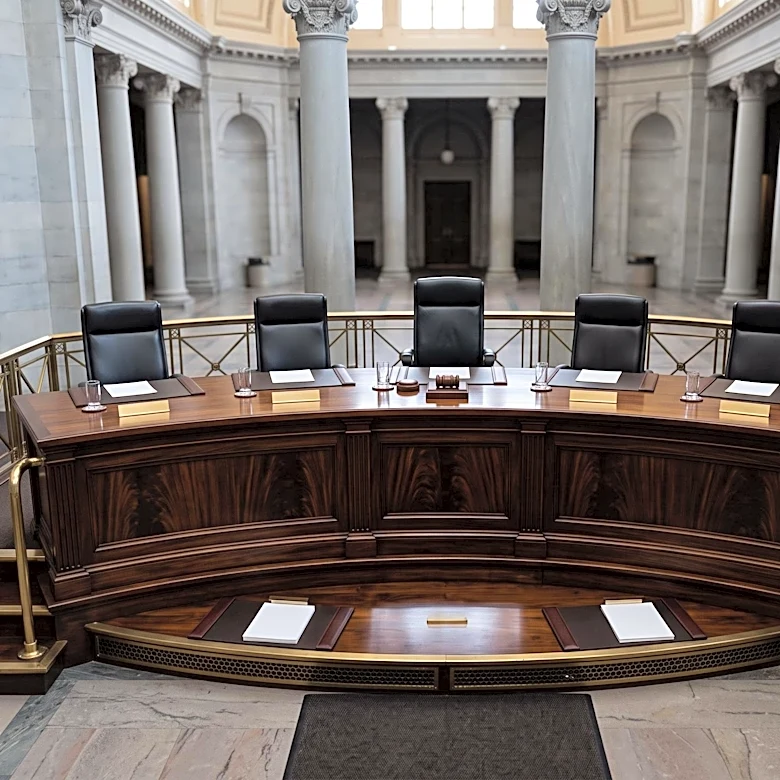
The City of Tulsa is moving towards a potential ban on for-profit pet stores selling dogs and cats within city limits. Councilors Lori Decter Wright and Carol Bush co-authored a revised ordinance draft, which was discussed in a Public Works Committee
on November 18. The proposed ordinance aims to address issues associated with animals sourced from 'puppy mills,' which often involve abuse, neglect, and disease, posing public health and financial concerns. Additionally, some of these retail outlets are accused of financing pet sales at predatory rates. The ordinance specifically targets for-profit pet stores and does not apply to licensed and regulated breeders. If passed, the ordinance would immediately impact the Petland location on East 71st Street, giving them a year to adjust their business model, potentially by partnering with rescue organizations to connect customers with pets. The drafted ordinance has garnered support from Tulsa Animal Services, the Oklahoma Pet Collective Society, Tulsa SPCA, and Helpless Hounds Rescue. The ordinance is scheduled for a vote at the next city council meeting on December 2.
Why It's Important?
This proposed ban in Tulsa signifies a growing municipal effort to combat the practices of commercial breeding facilities, commonly known as puppy mills, and their retail outlets. The ordinance highlights significant public health concerns, as animals from these sources can carry diseases, potentially impacting both pet owners and the broader community. Financially, the issue extends to consumers who may face predatory lending practices for pet purchases, leading to unforeseen debt. By restricting the sale of commercially bred animals, Tulsa aims to reduce pet overpopulation, a challenge many municipalities face, and alleviate the strain on local animal shelters and rescue agencies. This move could also encourage a shift towards adoption from shelters or purchasing from reputable, regulated breeders, promoting more ethical pet acquisition practices. The ordinance reflects a broader societal concern for animal welfare and consumer protection within the pet industry.
What's Next?
The proposed ordinance is slated for a vote at the Tulsa City Council meeting on December 2. If approved, the ban would take effect, requiring affected for-profit pet stores, such as Petland, to alter their business operations within a year. These stores would need to transition from selling commercially bred dogs and cats to potentially facilitating adoptions through partnerships with local rescue communities. The outcome of this vote will set a precedent for how Tulsa addresses animal welfare and commercial pet sales. Should the ban pass, it could inspire similar legislative efforts in other U.S. cities grappling with issues related to puppy mills, pet overpopulation, and consumer protection in the pet retail sector. The response from affected businesses, particularly Petland, will be crucial in observing the immediate impact and adaptation strategies within the industry.
Beyond the Headlines
The Tulsa ordinance reflects a deeper societal shift in attitudes towards animal welfare and the commercial pet industry. Beyond the immediate concerns of public health and predatory financing, the ban addresses the ethical implications of large-scale commercial breeding operations, often criticized for inhumane conditions. This legislative action could foster a more responsible pet ownership culture, emphasizing adoption and supporting local animal welfare organizations. It also highlights the increasing role of municipal governments in regulating industries that have significant social and ethical dimensions. The potential success of this ordinance in Tulsa could empower animal advocacy groups nationwide to push for similar regulations, leading to a broader transformation in how pets are acquired and sold across the United States, ultimately aiming to reduce the demand for animals from unethical breeding sources.