





What's Happening?
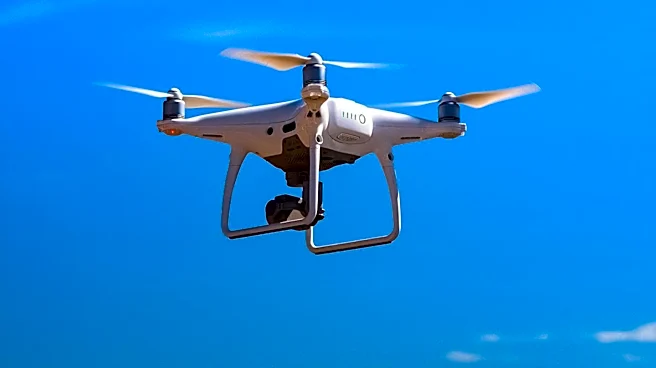
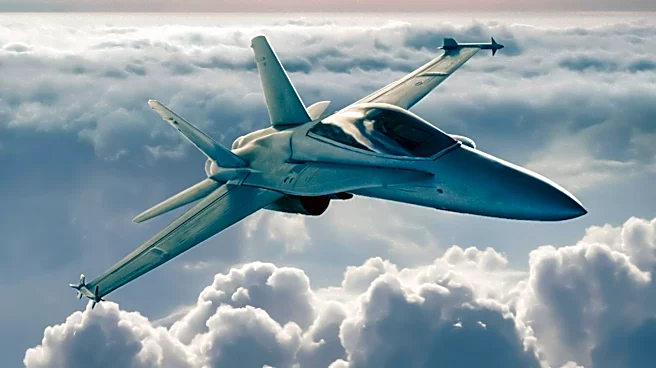
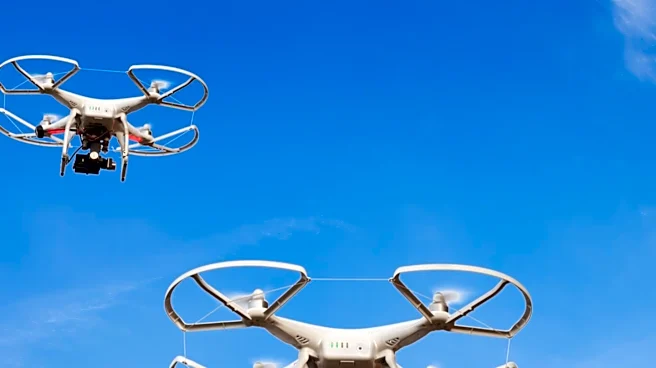
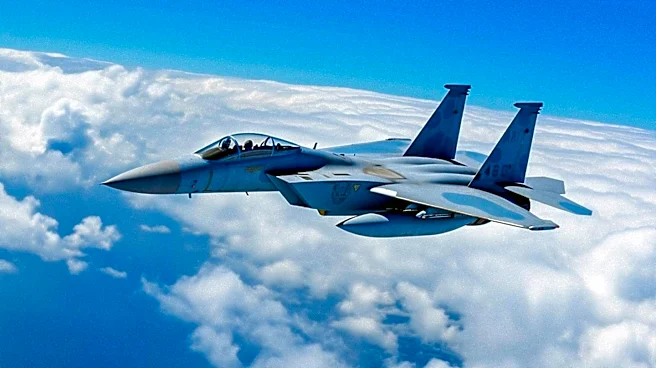
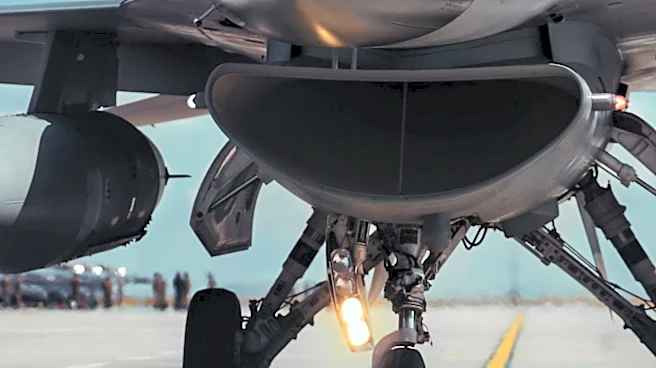
Romania's defense ministry reported that a Romanian F-16 fighter jet intercepted and shot down a drone on Sunday, marking the third such incident in as many days. The drone was intercepted at 10:13 a.m. local time near Romania's border with southwestern
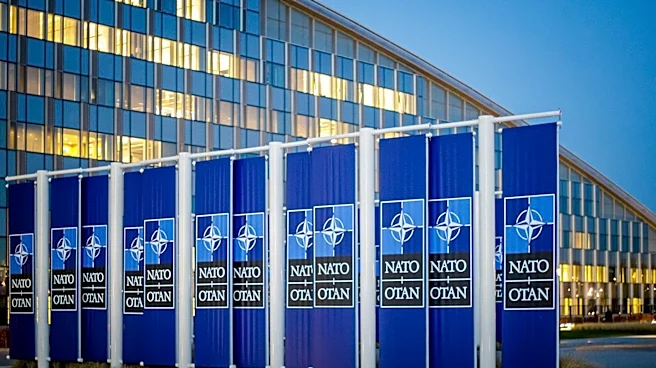
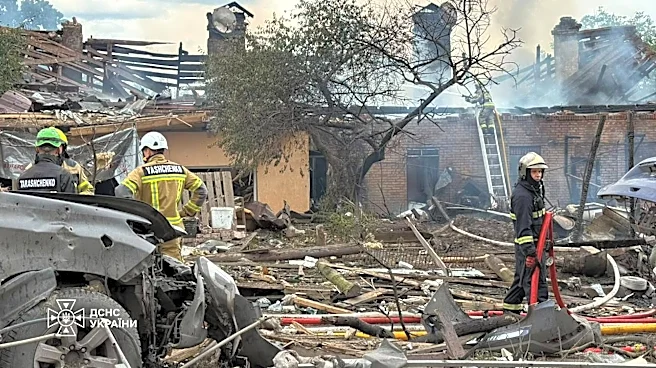
Ukraine. Romanian President Nicușor Dan stated that the drone incursions, frequently reported when Russia bombards Ukrainian ports near the Danube River, have not been treated as attacks on NATO, thus not triggering a collective response from the alliance's 32 members. However, these persistent incidents have prompted NATO members along Europe's eastern edge to invest in anti-drone defenses. The drone was shot down safely over Romanian territorial waters, and no casualties or injuries were reported. Romanian authorities have not confirmed the drone's origin, but previous incidents involved Russian-made drones.
Why It's Important?
The repeated drone incursions into NATO airspace highlight the escalating tensions in Eastern Europe, particularly between Russia and Ukraine. These incidents underscore the potential for broader regional conflict, as NATO members are forced to respond to airspace violations. The situation places pressure on NATO to enhance its defense capabilities and readiness along its eastern borders. The incursions also raise questions about the effectiveness of current air defense systems and the need for improved anti-drone technology. For Romania and other Eastern European NATO members, these events emphasize the importance of maintaining robust defense strategies to protect their airspace and sovereignty.
What's Next?
As drone incursions continue, NATO may need to reassess its defense posture and consider more coordinated responses to airspace violations. Romania and other affected countries are likely to increase their investment in anti-drone technologies and collaborate on regional defense strategies. The ongoing situation may also prompt diplomatic discussions within NATO to address the security challenges posed by drone incursions and to develop a unified response strategy. Additionally, the incidents could lead to increased military readiness and exercises in the region to deter further violations.