






What's Happening?
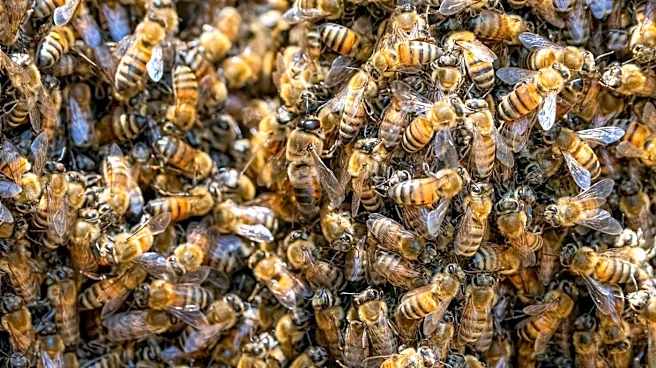
On World Bee Day, attention is drawn to the critical role bees play in agriculture and the mystery surrounding their name. Bees are essential pollinators for many crops, contributing significantly to food production. Despite their importance, the origin
of the word 'bee' remains unclear, with theories suggesting it may relate to the buzzing sound they make. The day also highlights the challenges bees face, such as habitat loss and climate change, which threaten their populations. Efforts to protect bees are crucial for maintaining biodiversity and food security.
Why It's Important?
Bees are vital to the ecosystem and agriculture, pollinating crops that are essential for human consumption. The decline in bee populations poses a threat to food security and biodiversity. Understanding and addressing the factors contributing to their decline, such as climate change and pesticide use, is crucial. World Bee Day serves as a reminder of the need to protect these pollinators and the ecosystems they support. Increased awareness and conservation efforts can help mitigate the risks bees face, ensuring their survival and the continuation of their ecological role.
What's Next?
Conservation efforts are likely to intensify, with increased focus on creating bee-friendly environments and reducing pesticide use. Policymakers and environmental groups may push for stronger regulations to protect bee habitats. Public awareness campaigns could encourage individuals to support bee conservation through actions like planting pollinator-friendly gardens. Research into bee health and behavior will continue to be a priority, aiming to develop strategies to support bee populations in the face of environmental changes.