









What's Happening?
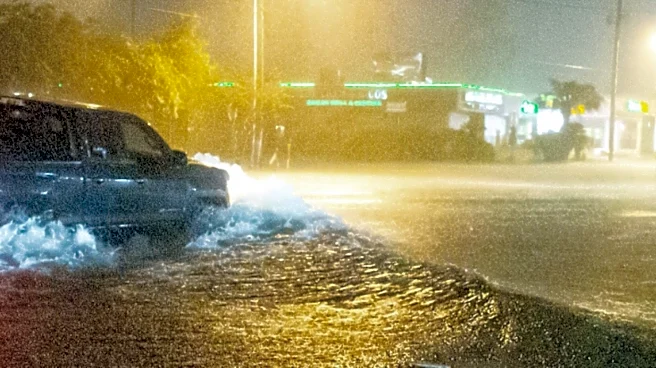
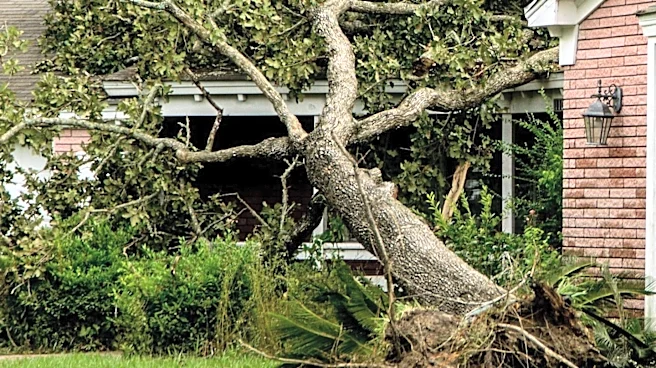
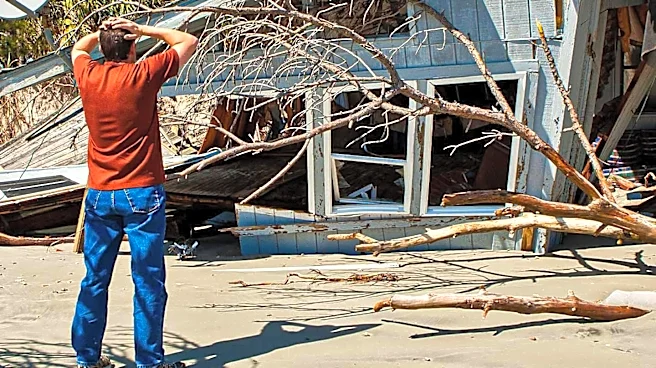
A brief but powerful storm swept through Maine, leaving approximately 60,000 homes without power. The storm, which lasted less than 20 minutes, caused significant damage by knocking down trees that became entangled in power lines. Central Maine Power
reported over 44,000 outages, while Versant Power had just over 15,000 customers affected. In Bangor, downed trees and power lines disrupted traffic, with nearly 8,000 homes in Penobscot County losing power. Efforts are underway to restore electricity and clear debris from affected areas.
Why It's Important?
The storm's impact highlights the vulnerability of infrastructure to severe weather events and the importance of emergency preparedness. Power outages can disrupt daily life, affecting businesses, schools, and healthcare facilities. The incident underscores the need for resilient infrastructure and effective response strategies to minimize the impact of such events. It also raises awareness about the potential consequences of climate change, which may lead to more frequent and intense storms. Ensuring reliable power supply and quick recovery is crucial for community resilience.
What's Next?
Utility companies are working to restore power to affected areas, prioritizing critical services and vulnerable populations. The incident may prompt discussions on infrastructure improvements and investment in technologies to enhance grid resilience. Local authorities and emergency services will likely review their response strategies to improve preparedness for future events. Community engagement and education on emergency preparedness will be essential in building resilience against severe weather. Long-term planning may include measures to mitigate the impact of climate change on infrastructure.