






What's Happening?
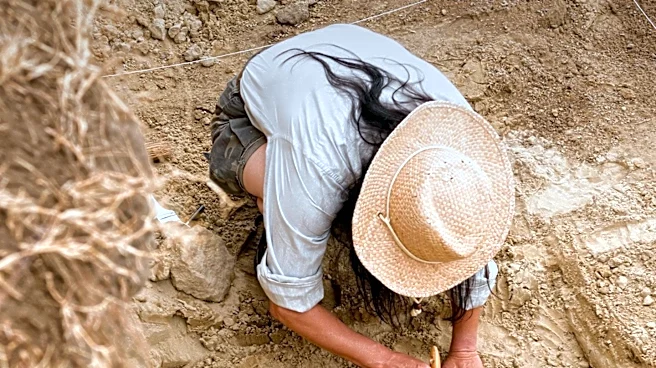
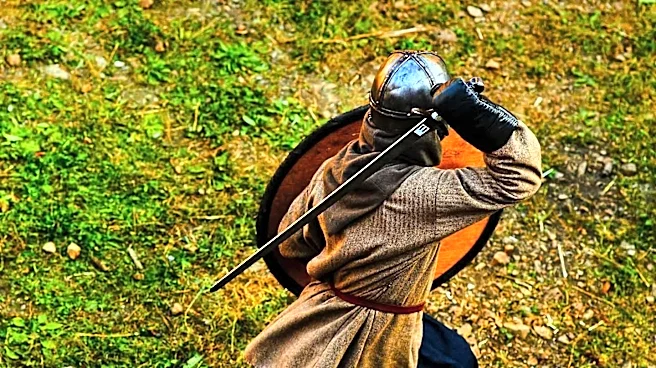
Recent archaeological findings and genetic studies suggest that Celtic women may have played a role in ancient warfare. Weapons have been discovered in the graves of women across Europe, hinting at their involvement in battles. Genetic studies indicate
that elite Celtic women held powerful roles, with evidence of matrilineal inheritance of power. Historical texts also suggest that Celtic women enjoyed more freedom and opportunity compared to their counterparts in other ancient cultures. However, the extent of their participation in warfare remains debated among scholars, with some suggesting that while women may have fought, it was not a common practice.
Why It's Important?
Understanding the role of Celtic women in warfare provides insights into the social and cultural dynamics of ancient European societies. It challenges traditional narratives that often exclude women from historical accounts of warfare. The evidence of female power and involvement in battles highlights the complexity of gender roles in ancient times and may influence contemporary discussions on gender equality and representation. Additionally, these findings contribute to the broader understanding of Celtic culture and its impact on European history.
Beyond the Headlines
The debate over the role of Celtic women in warfare also touches on broader issues of identity and cultural heritage. The question of whether ancient Britons can be considered Celts is part of a larger discussion about the classification and understanding of historical groups. This exploration of female warriors challenges stereotypes and encourages a reevaluation of historical narratives, potentially leading to a more inclusive understanding of the past. The findings may also inspire further research into the roles of women in other ancient cultures.