







What's Happening?
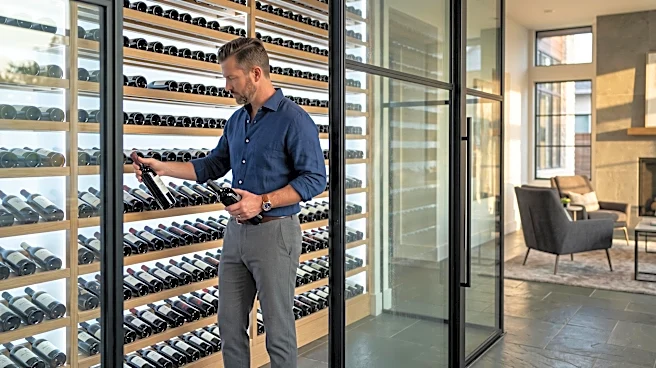
Glass-walled wine rooms in Texas are facing significant challenges due to the state's increasingly hot summers, with the average number of triple-digit days tripling since the 1970s. Unlike other regions, Texas homes are predominantly slab-on-grade, eliminating
basements as naturally cool storage options. This forces wine rooms onto the main floor, often against exterior walls and exposed to afternoon sun. To maintain the required 55°F temperature while the surrounding house is near 75°F, these rooms need to be constructed as refrigerated envelopes, not merely decorative spaces. Key requirements include insulated glazing, tightly sealed doors, and wine-specific cooling units sized for the glass load. Single-pane glass is a common failure point, as it leads to condensation in humid Texas conditions. Direct western sun exposure also places an unsustainable radiant load on cooling systems. Proper insulation and vapor barriers on surrounding walls and ceilings are crucial to prevent humidity migration and maintain stable temperatures. The cooling unit must be designed for wine storage, as standard air conditioners strip humidity, which can dry out corks.
Why It's Important?
The challenges in constructing functional glass wine rooms in Texas highlight broader issues related to climate change and its impact on specialized architectural and HVAC requirements in the U.S. The need for advanced insulation, sealing, and cooling systems for what might seem like a luxury item underscores how rising temperatures are affecting even niche construction. This situation impacts homeowners, architects, and HVAC professionals, demanding innovative solutions and a departure from standard building practices. The increased energy consumption required to maintain these controlled environments also raises concerns about sustainability and utility costs in a state already prone to grid stress during peak summer months. Furthermore, the specific needs of wine storage, such as humidity control, emphasize that off-the-shelf solutions are often inadequate, pushing for more specialized and potentially costly engineering. This trend could lead to higher construction costs for climate-controlled spaces and influence future building codes and design standards in hot climates.
What's Next?
To ensure the longevity and effectiveness of glass wine rooms in Texas, future designs will need to prioritize robust climate control measures. This includes the mandatory use of insulated glass, strategic placement away from direct western sun exposure, and meticulous sealing of all openings. Architects and builders will likely need to collaborate more closely with HVAC specialists to correctly size and install wine-specific cooling units, ensuring proper heat rejection into conditioned mechanical areas or outdoors, rather than unconditioned attics. Homeowners considering such installations will need to be educated on the higher upfront costs and long-term energy implications of maintaining these specialized environments. There may also be a push for more energy-efficient glazing technologies and smart home systems that can monitor and adjust temperatures and humidity levels more precisely. The industry may see an increase in demand for specialized contractors experienced in climate-controlled environments, potentially driving innovation in materials and installation techniques to withstand extreme weather conditions.
Beyond the Headlines
The difficulties faced by glass wine rooms in Texas extend beyond mere structural and mechanical issues, touching upon the evolving relationship between luxury amenities and environmental realities. As climate change intensifies, the desire for features like glass wine rooms, which require significant energy to maintain, could spark debates about sustainable design and responsible consumption. The shift from traditional, subterranean wine cellars to above-ground, glass-enclosed displays reflects a modern aesthetic preference, but this preference now comes with a higher environmental and financial cost in extreme climates. This situation could lead to a re-evaluation of architectural trends, encouraging designs that are more inherently resilient to environmental stressors rather than relying solely on energy-intensive mechanical systems. It also highlights a broader societal challenge: how to balance consumer desires for specific lifestyles and aesthetics with the practicalities and environmental impacts of a changing climate. The 'skin' of a building, whether for a wine room or a home, is becoming increasingly critical in defining its ability to withstand and adapt to new climatic norms.