
What's Happening?
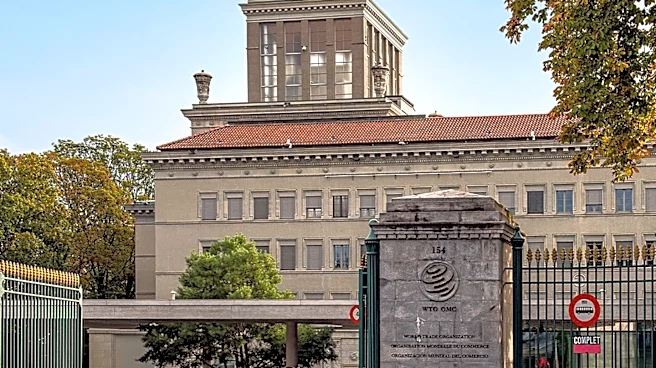
Discussions on reforming the World Trade Organization (WTO) have reached an impasse as member countries have not agreed on the scope and objectives of the proposed reforms. Reports from coordinators of four thematic groups—foundational issues, decision-making
mechanisms, development, and a level playing field—highlight persistent disagreements on which core issues should be prioritized. Developed countries are pushing for reforms focusing on industrial subsidies, state-owned enterprises, non-market policies, and transparency. In contrast, many developing countries emphasize addressing long-standing asymmetries such as agricultural subsidies, escalating tariffs, and policy space for development. The group on fundamental issues is divided, with some countries wanting to reaffirm the basic principles of the WTO, while others argue for reassessing these principles to address new challenges like economic security and industrial policy. The development group is also split on reforming the Special and Differential Treatment mechanism, with proposals to adopt more objective criteria facing opposition.
Why It's Important?
The stalled WTO reforms are significant as they highlight the ongoing tensions between developed and developing countries regarding global trade policies. The lack of consensus on reform priorities could impact international trade dynamics, potentially affecting global economic stability. Developed countries' focus on transparency and non-market policies reflects their interest in leveling the playing field, while developing countries' emphasis on agricultural subsidies and policy space underscores their need for equitable growth opportunities. The outcome of these discussions could influence future trade agreements and the global economic landscape, affecting industries and economies worldwide.
What's Next?
Following the summer recess, the WTO is set to resume meetings to clarify the scope of each discussion group. These meetings will include further consideration of proposals from major stakeholders like the United States, the European Union, and China. The ongoing debates and potential resolutions could shape the future of international trade policies and the WTO's role in global economic governance.