







What's Happening?
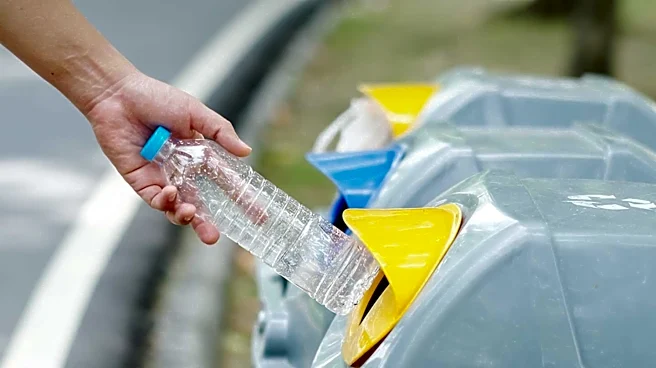
California's Plastic Pollution Prevention and Packaging Producer Responsibility Act (SB 54), effective from May 1, 2026, is facing legal challenges from various states, industry groups, and environmental organizations. The act, which aims to reduce plastic
packaging and ensure recyclability or compostability by 2032, has been contested for its inclusion of pyrolysis as a recycling method, which some argue produces significant hazardous waste. The regulations, approved by CalRecycle, have been criticized for allegedly inconsistent definitions of hazardous waste and for creating broad exemptions that may conflict with federal law. Two lawsuits have been filed, one by environmental groups and another by 17 states led by Nebraska, challenging the act's implementation and its impact on interstate commerce.
Why It's Important?
The legal challenges to SB 54 highlight the complexities of implementing comprehensive environmental regulations that affect multiple stakeholders, including businesses and state governments. The outcome of these lawsuits could influence future environmental legislation and the balance between state and federal regulatory powers. For businesses, particularly those involved in packaging and waste management, the act represents significant operational changes and potential cost implications. The legal disputes also underscore the ongoing debate over the role of chemical recycling technologies like pyrolysis in sustainable waste management.
What's Next?
As the lawsuits progress, businesses affected by SB 54 must continue to comply with the current regulations while monitoring legal developments. The court's decisions could lead to modifications in the act's implementation or enforcement, impacting compliance strategies and timelines. Stakeholders, including environmental groups and industry associations, are likely to continue advocating for their positions, potentially influencing public policy and regulatory approaches to plastic waste management.