





What's Happening?
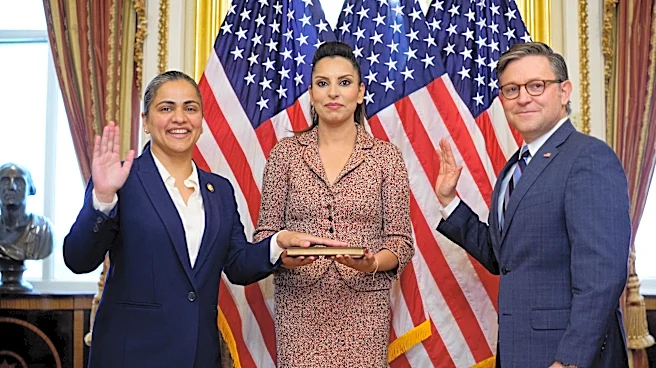
U.S. Senator Kevin Cramer presided over the signing ceremony of a memorandum of understanding between the University of North Dakota (UND) and Vorbeck Materials on November 4, 2026, during the Space Operations Summit in Grand Forks. This agreement aims
to foster collaboration on advanced materials, aerospace, unmanned systems, and defense-related research. The partnership seeks to bridge the gap between university research and real-world applications, creating pathways for emerging technologies to move from the laboratory to manufacturing and deployment. Senator Cramer highlighted the critical importance of such partnerships in keeping pace with rapid technological change, anticipating challenges, and developing solutions proactively. The collaboration will leverage UND's research strengths in aerospace, autonomous systems, and national security, combined with Vorbeck's expertise in advanced materials, product development, and manufacturing. Vorbeck Materials, founded in 2006, specializes in graphene-based technologies for military, aerospace, first responder, and commercial uses, and recently established a manufacturing facility in Grand Forks.
Why It's Important?
This partnership is significant for U.S. national security and technological advancement, particularly in the defense and aerospace sectors. By connecting academic research with industrial manufacturing capabilities, it accelerates the development and deployment of critical technologies. This initiative can strengthen the U.S.'s competitive edge in space operations and defense, ensuring that the nation remains at the forefront of innovation. The collaboration also creates economic opportunities in North Dakota, fostering a regional ecosystem that supports high-tech industries and job creation. For the University of North Dakota, it validates its research capabilities and provides a direct pipeline for its innovations to impact national priorities. For Vorbeck Materials, it offers access to cutting-edge academic research and a strategic location for manufacturing, enhancing its ability to deliver advanced solutions for government and commercial clients. This model of public-private partnership is crucial for addressing complex national challenges and maintaining technological superiority.
What's Next?
The agreement sets the stage for collaborative research, technology development, workforce initiatives, and the pursuit of federal funding opportunities. The immediate next steps will likely involve identifying specific projects and research areas where UND and Vorbeck Materials can combine their expertise. This could lead to the development of new products and systems for defense and commercial applications. The establishment of Vorbeck's manufacturing facility in Grand Forks suggests a commitment to local production, which could further stimulate the regional economy. Future developments may include joint applications for government grants and contracts, as well as the creation of specialized training programs to develop a skilled workforce capable of supporting these advanced technological endeavors. The success of this partnership could serve as a model for similar collaborations across the U.S., encouraging other universities and private companies to join forces in critical technology sectors.
Beyond the Headlines
Beyond the immediate technological and economic benefits, this partnership underscores a broader strategic shift towards integrating academic research with industrial capabilities to address national security needs. It highlights the recognition that innovation often thrives at the intersection of diverse sectors. The emphasis on 'anticipating emerging challenges and developing solutions before new needs arise' reflects a proactive approach to national defense and technological leadership, moving beyond reactive problem-solving. This collaboration also speaks to the increasing importance of regional hubs, like Grand Forks, in fostering specialized technological ecosystems that can contribute significantly to national objectives. The involvement of a U.S. Senator in facilitating such agreements signals a strong governmental interest in promoting these types of strategic alliances, recognizing their long-term implications for U.S. competitiveness and security in a rapidly evolving global landscape.