







What's Happening?
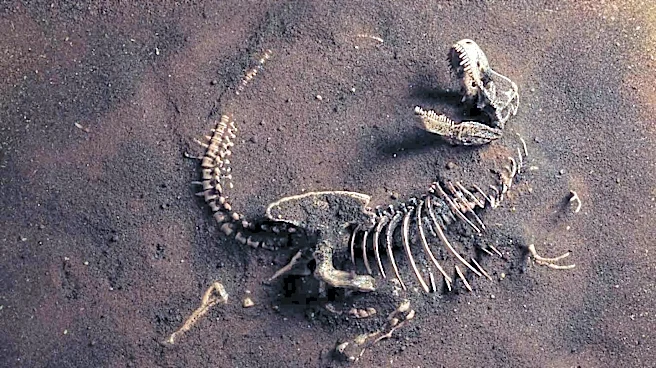
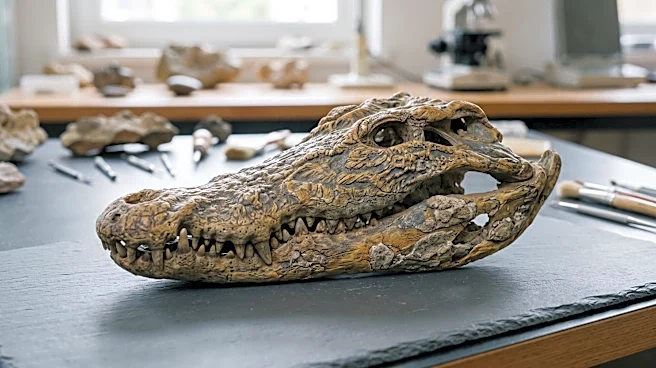
Researchers have identified a new species of dinosaur, dubbed 'Infernogallus jamesi' or 'Hell Chicken,' which is the first known dinosaur to have specialized in a fruit-eating diet. This turkey-sized, toothless oviraptor, known from fossils unearthed
in Montana and North Dakota, lived approximately 66 million years ago during the Late Cretaceous Period. According to Dr. Gregory Funston, assistant professor at Stony Brook University, and study co-author Dr. Thomas Dudgeon of the Royal Ontario Museum, the Infernogallus possessed unique adaptations in its beak and jaw, including muscles for back-and-forth chewing motions, a mobile jaw joint, and ridges and grooves on its beak, all designed for mashing soft fruits. These features, observed separately in modern birds and turtles, have never before been found together in one creature. The 'Hell Chicken' belonged to the theropod group, which includes meat-eating dinosaurs like the T-Rex, but evolved to consume fruit and other soft plants in its subtropical coastal floodplain ecosystem.
Why It's Important?
This discovery significantly expands our understanding of dinosaur dietary diversity and their ecological roles during the Cretaceous Period. Previously, fruit was not widely believed to be a primary food source for dinosaurs. The Infernogallus demonstrates a close ecological relationship between some dinosaurs and flowering plants (angiosperms), which were proliferating during this era. This finding highlights dinosaurs' overlooked role as seed dispersers, a niche now primarily occupied by reptiles, small mammals, and birds. The specialized adaptations of the 'Hell Chicken' for frugivory suggest a complex co-evolutionary dynamic between dinosaurs and the emerging plant life, contributing to the spread and diversification of flowering plants. It also showcases the remarkable adaptability of theropods, a group typically associated with carnivorous diets, to fill various ecological roles.
What's Next?
Further research will likely focus on identifying the specific fruits Infernogallus consumed and exploring the broader implications of dinosaur frugivory on plant evolution. Scientists will continue to investigate the extent of seed dispersal by dinosaurs and how this contributed to the ecological landscape of the Cretaceous. The discovery also encourages a re-examination of other dinosaur fossils for similar specialized dietary adaptations, potentially revealing more fruit-eating species. This could lead to a more comprehensive picture of prehistoric food webs and the intricate relationships between dinosaurs and their environment. The ongoing study of fossils from the Hell Creek Formation, where Infernogallus was found, may yield additional insights into the diverse ecosystems of the Late Cretaceous.
Beyond the Headlines
The 'Hell Chicken' discovery offers a fascinating glimpse into the intricate and often surprising ways life adapts to its environment. It challenges preconceived notions about dinosaur diets and behaviors, reminding us that prehistoric ecosystems were far more complex and nuanced than often portrayed. This finding also underscores the importance of continuous paleontological research, as new discoveries can dramatically alter our understanding of ancient life. The specialized beak of Infernogallus serves as a powerful example of convergent evolution, where different species develop similar traits to solve similar environmental challenges. This deepens our appreciation for the evolutionary processes that shape biodiversity and the interconnectedness of all life forms, past and present.