






What's Happening?
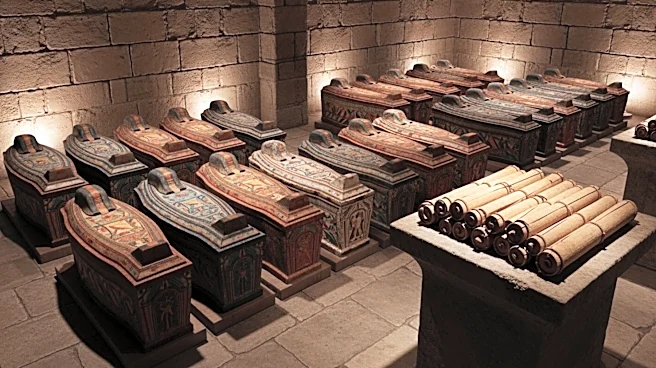
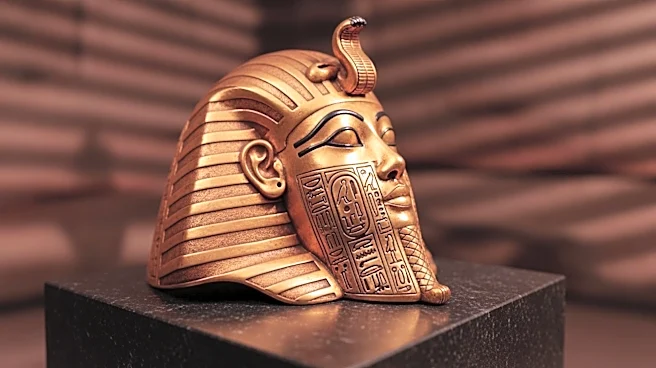
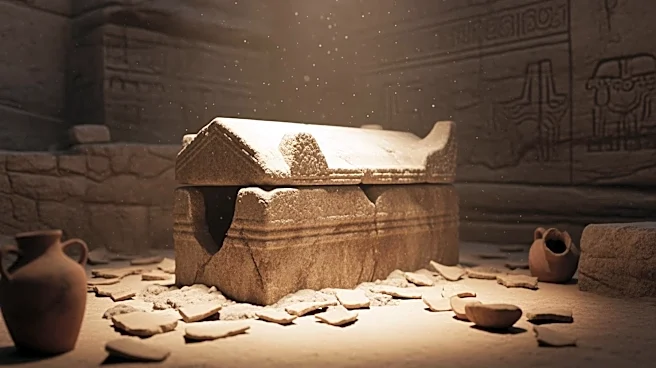
Greek officials have unveiled the interior of the Kasta Tomb in Amphipolis, a site potentially linked to Alexander the Great. The tomb, located in the ancient city of Amphipolis in northern Greece, has been the focus of extensive archaeological excavation
and restoration efforts. The Ministry of Culture announced that the tomb's full enclosure has been revealed, showcasing its massive scale and intricate architectural details. The site, believed to be associated with significant figures from the Macedonian Empire, features marble-lined passageways and sculptural elements indicative of its historical importance. Restoration plans include installing a monumental marble door and restoring sphinx sculptures that once guarded the entrance.
Why It's Important?
The discovery and restoration of the Kasta Tomb offer valuable insights into the history and culture of the Macedonian Empire, particularly during the era of Alexander the Great. This archaeological find not only enhances our understanding of ancient Macedonian architecture and burial practices but also underscores the historical significance of Amphipolis as a center of power. The tomb's potential connection to Alexander the Great or his close associates adds to its allure, drawing interest from historians and archaeologists worldwide. Such discoveries contribute to Greece's cultural heritage and have the potential to boost tourism, providing economic benefits to the region.