


What's Happening?
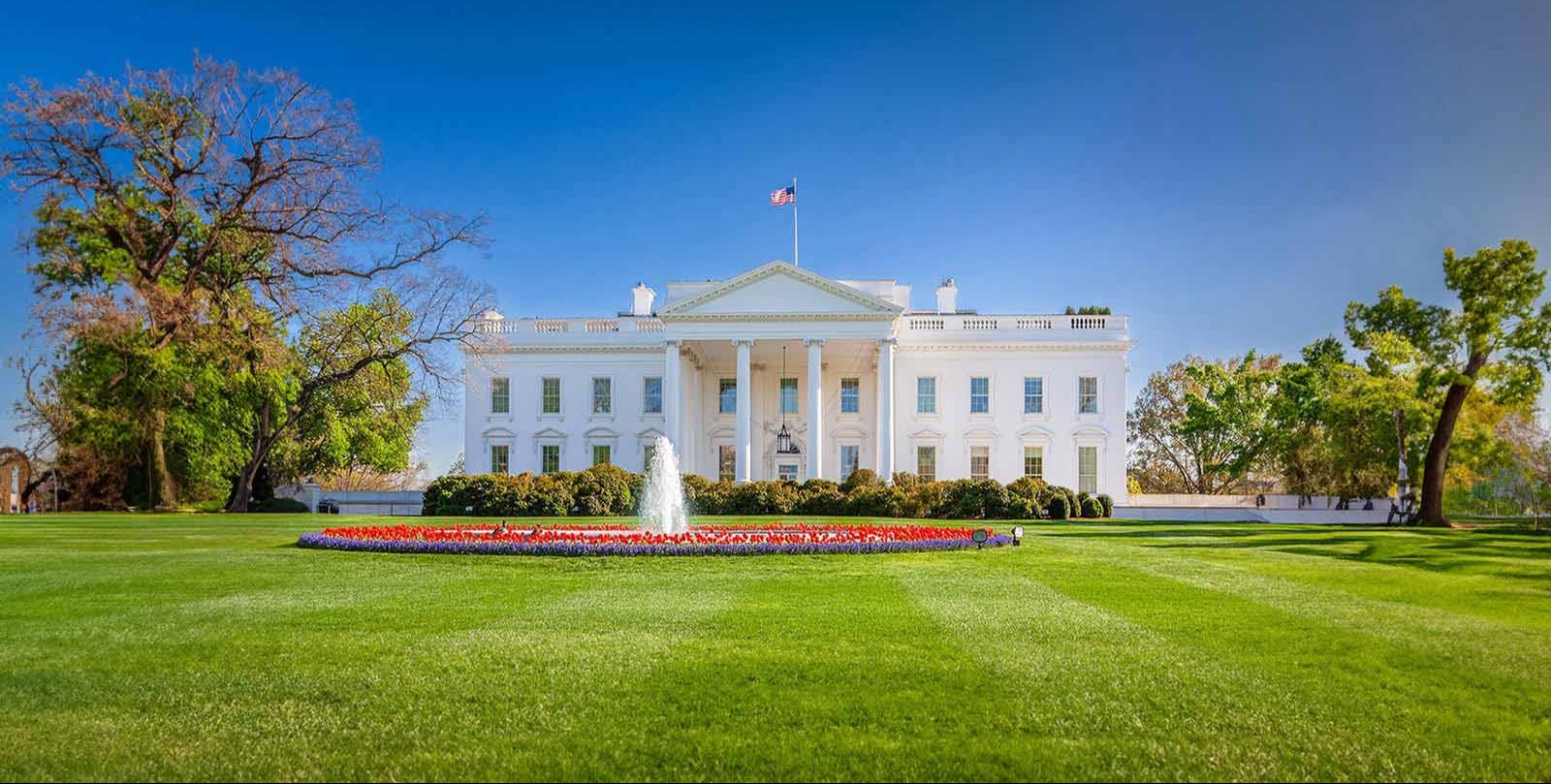
Rodney Mims Cook Jr., appointed by President Trump as the head of the Commission of Fine Arts, has proposed replacing the Ionic columns at the White House with more ornate Corinthian columns, similar to those at the Supreme Court. This proposal is part
of a broader set of renovations initiated by President Trump, which includes the creation of a new ballroom and other aesthetic changes. While the White House has stated that these renovations are privately funded, the proposal has sparked debate. Supporters argue that such changes are part of the building's evolution, while critics claim they could harm the historical integrity of the landmark. The proposal has not yet been officially implemented, and the White House has not confirmed any immediate plans to change the columns.
Why It's Important?
The proposed changes to the White House's architecture highlight ongoing tensions between modernization and preservation of historical landmarks. The renovations, particularly the column replacement, have drawn mixed reactions. Supporters see it as a necessary update that aligns with other government buildings, while opponents view it as an unnecessary alteration that could detract from the White House's historical significance. The debate underscores broader discussions about the role of aesthetics in government buildings and the balance between tradition and modernization. The outcome of this proposal could set a precedent for future renovations of national landmarks.
What's Next?
The proposal for the new ballroom, part of the broader renovation plan, has been submitted to the National Capital Planning Commission (NCPC) for approval. This body oversees developments affecting federal land in Washington D.C. The legal challenges, including a lawsuit from the National Trust for Historic Preservation, could delay or alter the course of these renovations. The NCPC's decision will be crucial in determining whether the proposed changes, including the column replacement, will proceed. Stakeholders, including preservationists and government officials, are likely to continue debating the merits and implications of these changes.