






What's Happening?
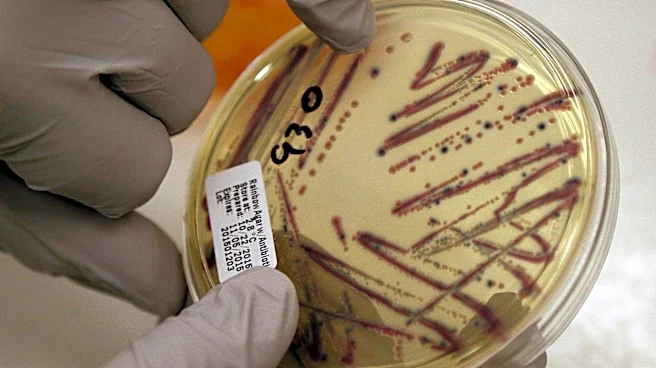
The City of Goodrich, North Dakota, has issued a boil order after the North Dakota Department of Environmental Quality detected E.coli bacteria in its drinking water supply. The discovery was made on a Saturday night, prompting immediate action to safeguard
public health. E.coli bacteria can cause illness, particularly posing a risk to individuals with weakened immune systems. Residents are advised to boil all water before consumption to prevent potential health issues. In response to the situation, the Goodrich Rural Fire Department has made water available to residents from a wildland water grant provided by Anheuser-Busch. This water can be accessed from the far-left refrigerator in the fire department's fire hall, with residents encouraged to take only what they need for each day.
Why It's Important?
This boil order is critically important as it directly impacts the health and safety of all residents in the City of Goodrich. The presence of E.coli in drinking water signifies a potential contamination of the public water supply, which can lead to gastrointestinal illnesses and more severe health complications, especially for vulnerable populations such such as the elderly, young children, and those with compromised immune systems. The immediate issuance of a boil order and the provision of alternative water sources by the Goodrich Rural Fire Department highlight the urgency of the situation and the community's efforts to mitigate health risks. This event underscores the vital role of environmental quality departments in monitoring water safety and the necessity for rapid response protocols to protect public health infrastructure.
What's Next?
Residents of Goodrich are expected to continue adhering to the boil order until further notice from the North Dakota Department of Environmental Quality. The department will likely conduct further testing to determine the source of the E.coli contamination and to confirm that the water supply is safe for consumption. The Goodrich Rural Fire Department will continue to provide bottled water to residents as long as the boil order remains in effect. The city will need to implement measures to rectify the contamination issue, which could involve flushing the water system, repairing infrastructure, or enhancing water treatment processes. Regular updates are anticipated from local authorities regarding the status of the water supply and the steps being taken to resolve the issue.
Beyond the Headlines
The detection of E.coli in a municipal water supply extends beyond immediate health concerns, raising broader questions about infrastructure resilience and public health preparedness in smaller communities. Such incidents can erode public trust in local utilities and highlight the need for continuous investment in water treatment and distribution systems. For communities like Goodrich, maintaining robust water quality monitoring programs is essential, especially given the potential for environmental factors to impact water sources. This event may also prompt a review of emergency response plans for similar public health crises, ensuring that communication channels are clear and that resources, such as alternative water supplies, are readily available. The involvement of a private entity like Anheuser-Busch in providing water also points to the potential for public-private partnerships in disaster relief efforts.