


What's Happening?
The Skull Valley Band of Goshute Indians, based in Grantsville, Utah, has voiced strong opposition to a proposed U.S. Army data center in Tooele County. The tribe sent a letter of opposition to Governor Spencer Cox, but has not received a response. The proposed facility,
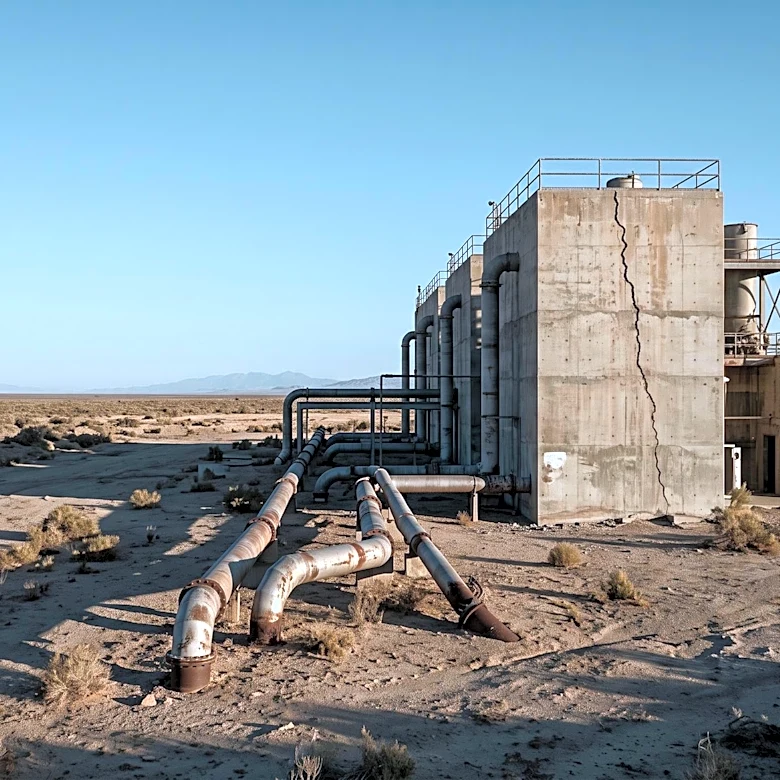
to be developed by CyrusOne on 1,201 acres at the Dugway Proving Ground, is slated to become operational in 2029. The tribe's primary concern is the data center's potential impact on groundwater resources, which they rely on for survival. They argue that the facility's excessive water needs, including the discharge of up to 250,000 gallons per day of salt-heavy wastewater, would contaminate their sole water source and the area's fragile ecosystem. The tribe also highlights that Tooele County's groundwater is already over-allocated, with no alternative water source available to them. Additionally, the Skull Valley Band opposes a separate proposal by EnergySolutions to import 1.31 million cubic yards of low-level radioactive waste from Canada for disposal at its Clive facility, expressing concerns about being the most highly exposed population in the event of an accident and the lack of consultation.
Why It's Important?
This opposition underscores a growing conflict between technological development and environmental sustainability, particularly concerning water resources in arid regions like Utah. The U.S. Army's plan for a data center, intended to support high-performance computing for future technologies like artificial intelligence and drone swarms, highlights the increasing demand for energy and water by the tech sector. The Goshute Indian Tribe's concerns bring to light the disproportionate impact such projects can have on indigenous communities, who often bear the brunt of environmental degradation. The tribe's assertion that Tooele County's groundwater is already over-allocated points to a broader issue of water scarcity and resource management in the Western U.S. The lack of response from Governor Cox to the tribe's letter could signal a potential oversight in addressing the concerns of sovereign nations within state borders, raising questions about intergovernmental relations and environmental justice. Furthermore, the tribe's opposition to the radioactive waste disposal proposal emphasizes the cumulative environmental burden faced by these communities.
What's Next?
The Skull Valley Band of Goshute Indians is calling on Tooele County officials to oppose any zoning or land-use requests related to the data center project. If the project proceeds, they urge officials to impose strict requirements on its operation to mitigate environmental impact. The U.S. Army has stated that an environmental review will occur before work begins and that the facility's water and power systems will be designed to minimize strain on public utilities, but specific details are pending. The tribe's continued advocacy will likely involve further engagement with local and federal authorities, potentially leading to legal challenges or increased public scrutiny. The broader debate over data center development in Utah, including other proposed projects in Box Elder County and Spanish Fork, suggests that water usage and environmental impact will remain central issues. The outcome of this dispute could set precedents for how similar large-scale infrastructure projects are evaluated and implemented in areas with sensitive ecosystems and indigenous populations.
Beyond the Headlines
The conflict in Tooele County extends beyond immediate environmental concerns, touching upon issues of tribal sovereignty, environmental justice, and the ethical implications of technological advancement. The Goshute Indian Tribe's struggle to protect its water resources against a federal project highlights the ongoing challenges faced by Native American communities in asserting their rights and preserving their ancestral lands. The Army's justification of the data center for national defense, without upfront taxpayer funding, introduces a complex dynamic where national security interests are weighed against local environmental and social impacts. This situation also reflects a broader societal tension between the rapid expansion of data-intensive technologies and the finite nature of natural resources. The tribe's call for consultation on the radioactive waste disposal proposal underscores the importance of including affected communities in decision-making processes, particularly when potential health and environmental risks are involved. The outcome of these disputes could influence future policies regarding resource allocation, environmental protection, and tribal relations across the United States.