







What's Happening?
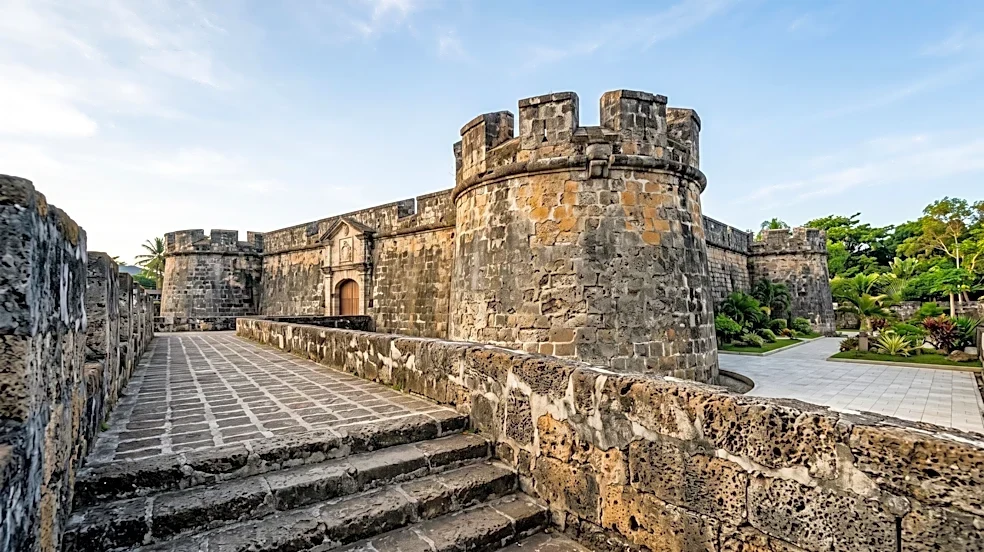
Zamboanga City's iconic Fort Pilar Shrine and the National Museum of Zamboanga, located directly behind it, are open to the public. Fort Pilar, also known as Real Fuerza de Nuestra Señora del Pilar de Zaragoza, was originally constructed in 1635 as a defensive
stronghold against maritime threats. Visitors can explore its historic stone walls, which offer a glimpse into the city's past. The National Museum of Zamboanga provides insights into the city's culture and traditions through various exhibits, including relics and colorful local costumes. The museum aims to offer a comprehensive understanding of Zamboanga's heritage. Both sites are accessible to the public, with the museum typically operating from Tuesday to Sunday, 9:00 AM to 4:00 PM, and admission is free, though donations are accepted. The address for these historical sites is Valderosa Street, Zamboanga City, Philippines.
Why It's Important?
The accessibility of Fort Pilar Shrine and the National Museum of Zamboanga is important for preserving and promoting the rich historical and cultural heritage of the region. By offering free admission and consistent operating hours, these sites serve as educational resources for both residents and tourists, fostering a deeper appreciation for Zamboanga City's past and its unique identity. The fort's history as a defensive structure highlights the strategic importance of the area in earlier centuries, while the museum's focus on local culture and traditions helps to maintain and celebrate indigenous practices and artistry. This initiative contributes to cultural tourism, potentially boosting local economies through increased visitor engagement and support for related businesses. Furthermore, the preservation of such historical landmarks ensures that future generations can connect with their roots and understand the foundational elements that shaped their community.
What's Next?
The continued operation and promotion of Fort Pilar Shrine and the National Museum of Zamboanga are expected to further enhance cultural tourism in the region. Efforts may focus on increasing visitor numbers through various promotional campaigns, potentially in collaboration with travel platforms like Trip.com, as suggested in the source. There could be future initiatives to expand the museum's collections or introduce new exhibits that delve deeper into specific aspects of Zamboanga's history and culture. Community engagement programs, such as educational workshops or guided tours, might also be developed to attract a wider audience, including local schools and universities. The ongoing maintenance and preservation of these historical structures will remain a priority to ensure their longevity and continued accessibility for public enjoyment and historical study.
Beyond the Headlines
The opening of Fort Pilar Shrine and the National Museum of Zamboanga transcends mere tourism, touching upon deeper themes of cultural identity and historical memory. These sites serve as tangible links to the past, allowing individuals to physically connect with the struggles and triumphs that shaped the region. The free entry policy underscores a commitment to making heritage accessible to all, regardless of socioeconomic status, thereby democratizing historical knowledge. Ethically, the preservation of such sites reflects a societal value placed on understanding and respecting ancestral legacies. Culturally, they act as anchors for local traditions, providing a space where the narratives of the past can be retold and reinterpreted, fostering a sense of collective belonging and pride. In an increasingly globalized world, these local heritage sites play a crucial role in maintaining distinct cultural identities and offering unique perspectives on human history.