









What's Happening?
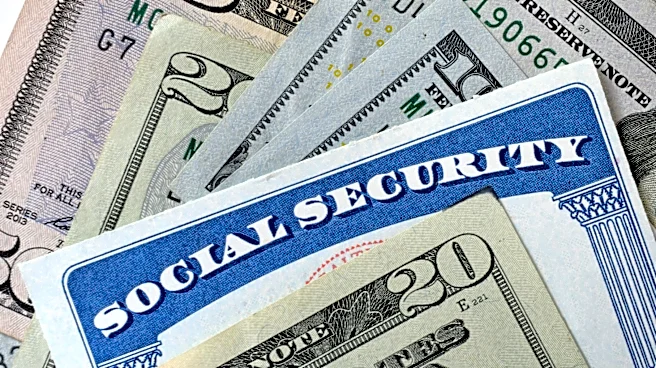
A recent analysis highlights that women, who make up 55% of Social Security recipients aged 62 and older, receive significantly less in benefits compared to men. On average, women collect $5,254 less annually than men, with monthly benefits averaging
$1,760 compared to $2,198 for men. This disparity is attributed to the gender pay gap, which affects lifetime earnings and, consequently, Social Security benefits. The potential cuts to Social Security benefits in 2032 could disproportionately affect women, who are more reliant on these benefits for their basic needs. The analysis underscores the need for policymakers to strengthen Social Security to protect vulnerable populations.
Why It's Important?
The gender disparity in Social Security benefits reflects broader issues of economic inequality and the gender pay gap. Women, particularly those who are single or older, are more likely to live in poverty and rely heavily on Social Security for financial stability. Potential cuts to these benefits could exacerbate economic hardships for women, highlighting the importance of addressing gender-based economic disparities. Strengthening Social Security is crucial to ensuring financial security for older women and reducing poverty rates among this demographic.
What's Next?
Policymakers may face increased pressure to address the gender gap in Social Security benefits and consider reforms to strengthen the program. Discussions around gender equality and economic security for women could gain momentum, potentially leading to legislative efforts to close the gender pay gap and improve retirement security. Advocacy groups may continue to push for policies that support women's financial independence and address systemic inequalities in the workforce.