







What's Happening?
The ongoing conflict in Gaza has resulted in severe environmental degradation, significantly impacting the region's agricultural infrastructure and natural resources. According to recent reports, the Israeli military's actions have led to the destruction
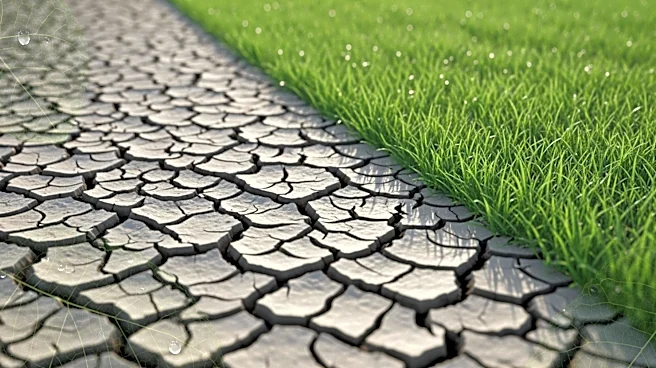
of cropland, contamination of water resources, and widespread ecological damage. The conflict has resulted in greenhouse gas emissions exceeding those of some entire countries, with the destruction of infrastructure contributing to this environmental toll. The damage includes over 60 million tonnes of debris, with hazardous waste from industrial sites and destroyed buildings. The contamination of natural water reserves and soil has further exacerbated the situation, making it difficult for the land to support plant and animal life. This environmental destruction is described as 'ecocide,' highlighting the deliberate and widespread harm to ecosystems and their ability to sustain human life.
Why It's Important?
The environmental damage in Gaza has profound implications for the region's future, affecting both the immediate and long-term livelihoods of its residents. The destruction of agricultural land and water resources has led to food insecurity, with more than half a million people facing famine conditions. The ecological damage also poses significant health risks, as the collapse of sewage and waste disposal infrastructure leads to severe health hazards. The environmental impact of the conflict extends beyond Gaza, contributing to global climate change and increasing the vulnerability of Palestinians to its effects. The situation underscores the interconnectedness of war, environmental degradation, and human survival, highlighting the need for comprehensive solutions that address both immediate humanitarian needs and long-term ecological restoration.
What's Next?
Rebuilding Gaza's infrastructure will be a monumental task, requiring significant resources and international cooperation. The environmental restoration of the region will involve addressing the contamination of soil and water, as well as rehabilitating agricultural land. The international community's role in providing humanitarian aid and supporting reconstruction efforts will be crucial. Additionally, there is a need for policies that integrate environmental sustainability into the rebuilding process to prevent further ecological damage. The situation calls for a coordinated response that addresses both the humanitarian crisis and the environmental challenges, ensuring that the region can recover and thrive in the long term.
Beyond the Headlines
The conflict in Gaza highlights the broader issue of environmental destruction as a tactic in warfare, raising ethical and legal questions about the use of such strategies. The concept of 'ecocide' emphasizes the need for international recognition of environmental destruction as a crime, with potential implications for international law and accountability. The situation also underscores the importance of linking environmental, anti-war, and social justice movements to address the root causes of conflict and promote sustainable peace. The long-term impact of environmental degradation on human life and cultural heritage in conflict zones calls for a reevaluation of global priorities and the integration of environmental considerations into peacebuilding efforts.