








What's Happening?
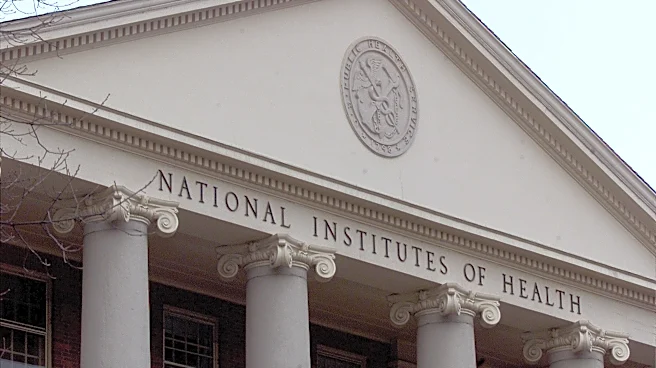
The Feinstein Institutes for Medical Research, part of Northwell Health, has received $4.9 million in grants from the National Institutes of Health (NIH) to support research into acute inflammation and Alzheimer's disease. The funding will be used for two
separate projects aimed at understanding the biological mechanisms underlying these conditions. The research teams, led by Monowar Aziz, PhD, Archna Sharma, PhD, and Ping Wang, MD, will focus on B-1a cells in acute inflammation and neurotoxic astrocytes in Alzheimer's disease. The goal is to identify new therapeutic targets that could lead to better treatments for these diseases.
Why It's Important?
The NIH grants are crucial for advancing scientific knowledge in two major areas of medical research. Acute inflammation, if not properly regulated, can lead to severe health issues such as sepsis. Understanding the role of B-1a cells could lead to new ways to manage inflammation and improve patient outcomes. Similarly, Alzheimer's disease remains a significant challenge, with neurotoxic astrocytes playing a role in its progression. By exploring these cells, researchers hope to find methods to slow or prevent neurodegeneration, potentially leading to breakthroughs in Alzheimer's treatment. The research could have significant implications for public health and patient care.
What's Next?
The research teams at the Feinstein Institutes will continue their investigations into the cellular mechanisms of acute inflammation and Alzheimer's disease. The findings from these studies could pave the way for new therapeutic interventions. As the research progresses, it may attract further funding and collaboration opportunities, potentially accelerating the development of effective treatments. The outcomes of these studies will be closely monitored by the medical community, as they hold promise for improving the management of these complex conditions.