





What's Happening?
New York City is experiencing a significant surge in cyclosporiasis cases this summer, a severe form of food poisoning caused by a tiny parasite transmitted through fresh fruits and vegetables. Over 800 cases have been reported in New York state, with
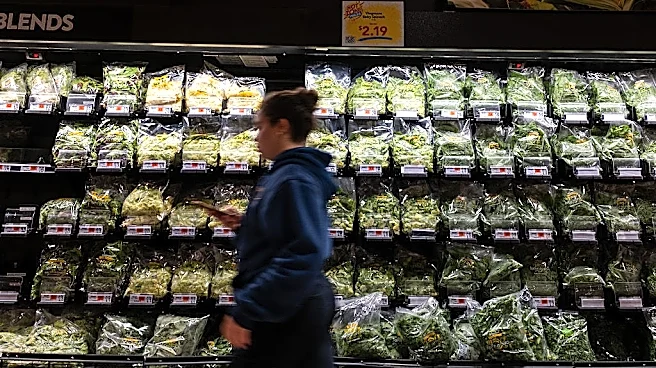
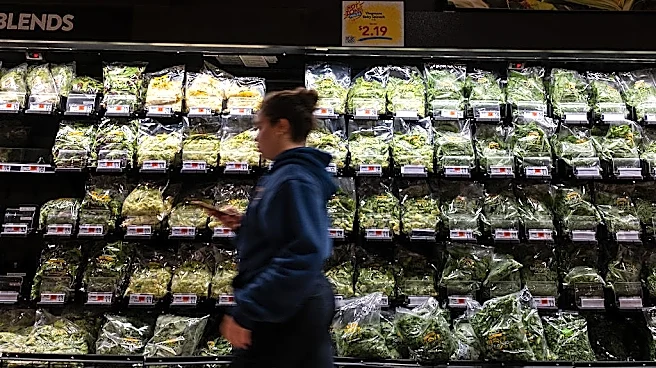
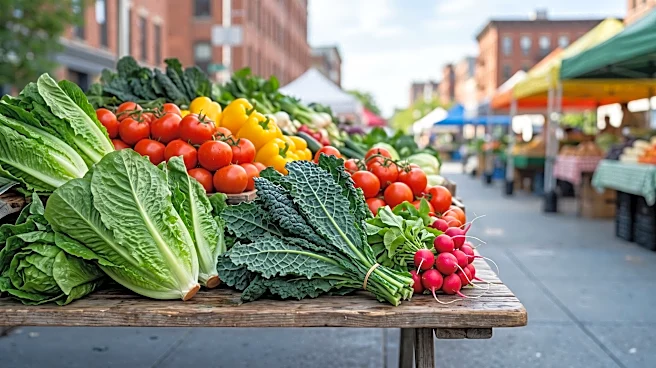
more than 500 in the five boroughs since May. While the number of lab-confirmed cases in the city has been trending down since mid-July, health officials in both the city and state have yet to identify the specific food sources responsible for the outbreak. This uncertainty has led to varied responses among New Yorkers, with some altering their eating habits by avoiding raw vegetables, opting for frozen produce, or seeking out local farmers' markets, while others continue to eat fruits and vegetables as usual. The U.S. Centers for Disease Control and Prevention (CDC) states that cyclosporiasis can cause weeks of gastrointestinal symptoms, including explosive diarrhea. Although outbreaks in other states have been linked to recalled iceberg lettuce from Taylor Farms de Mexico, New York was not on the initial recall list, and only a handful of New York cases have been linked to this specific lettuce, all acquired while traveling out of state.
Why It's Important?
The ongoing cyclosporiasis outbreak in New York highlights critical vulnerabilities in the food supply chain and public health communication. The inability of health officials to pinpoint the exact source of contamination creates widespread public anxiety and uncertainty, impacting consumer behavior and potentially local businesses. The 'flight to safety' observed by some local produce vendors, where sales of local lettuce increased, indicates a shift in consumer trust towards perceived safer, locally sourced options. This situation underscores the economic impact on the broader food industry, particularly for suppliers of fresh produce, as consumers may reduce their consumption of certain items or change their purchasing habits. Furthermore, the differing advice from health experts and the public's varied responses demonstrate the challenges in managing public health crises when information is incomplete, potentially leading to inconsistent adherence to safety guidelines and prolonged public health concerns. The outbreak also emphasizes the importance of robust food safety protocols and rapid source identification to mitigate health risks and maintain public confidence in the food system.
What's Next?
New York City and state health departments are continuing their investigations to identify the source or sources of this summer’s cyclosporiasis surge. Health workers are contacting sick individuals to gather information about their dietary habits, and if common restaurants or grocery stores are identified, these locations will be inspected for sanitary conditions and supplier information. This data will then be shared with the CDC for comparison with clusters in other jurisdictions. However, identifying the source is challenging due to the two-week incubation period of the parasite, which makes it difficult for individuals to recall what they ate. It remains unclear when New Yorkers will receive concrete answers about the outbreak's origin or when the increased risk will be deemed to have passed. Health officials continue to recommend thorough washing of fruits and vegetables, and cooking produce for those who are particularly concerned. The situation suggests a prolonged period of vigilance and potential changes in consumer purchasing habits until a definitive source is identified and addressed.
Beyond the Headlines
The cyclosporiasis outbreak in New York City reveals deeper societal implications beyond immediate health concerns. The public's reaction, ranging from heightened paranoia to continued normalcy, reflects varying levels of trust in public health advisories and the food system. The comparison to the COVID-19 pandemic, where some individuals are now more attuned to public health alerts, suggests a lasting impact of previous crises on public perception and behavior regarding health risks. The preference for local produce, even if not entirely immune to foodborne illness, highlights a growing consumer desire for transparency and traceability in their food sources. This could accelerate trends towards local food movements and increased scrutiny of supply chains, potentially influencing agricultural practices and food distribution models in the long term. The difficulty in tracing the source also underscores the complex, interconnected nature of modern food systems, where contamination can originate far from the point of consumption, posing significant challenges for public health authorities and food safety regulations.