
What's Happening?
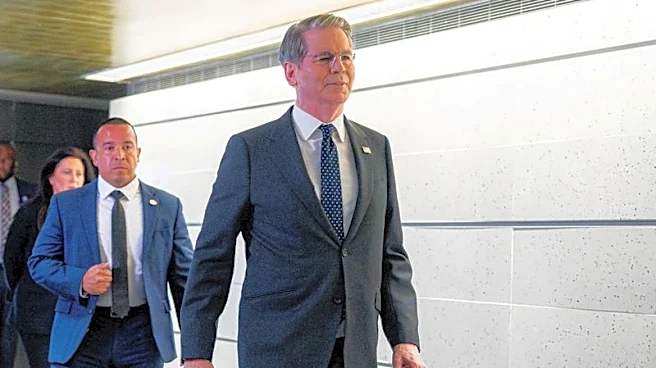
Treasury Secretary Scott Bessent has been forced to relocate to a military base due to escalating security concerns. This move follows the publication of an article in The Wall Street Journal that included
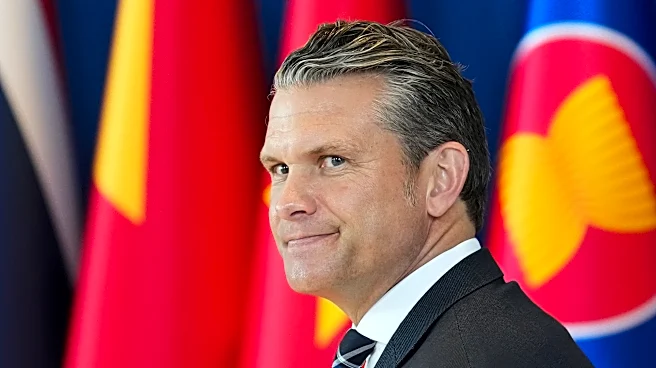
an online photo, allowing his Georgetown home to be geo-located. A source familiar with the situation indicated that security concerns intensified after this incident. Secretary Bessent has been leading a significant economic campaign against Iran, known as Operation Economic Outcast, which aims to sever all of Tehran’s remaining financial ties globally. Recent U.S. intelligence reports have highlighted increased efforts by Iran to target American personnel in the Middle East and other regions, prompting the State Department to reduce staffing at four U.S. embassies last month. Other high-ranking Trump administration officials, including Secretary of State Marco Rubio and Defense Secretary Pete Hegseth, also reside on military bases.
Why It's Important?
The relocation of a high-ranking U.S. official like Treasury Secretary Scott Bessent to a military base underscores the severe and tangible threats faced by those involved in national security and foreign policy. This incident highlights the critical importance of operational security and the potential risks associated with publicly available information, even seemingly innocuous details like a photograph. The ongoing economic campaign against Iran, Operation Economic Outcast, is a cornerstone of the Trump administration's strategy to pressure Tehran over its nuclear program. The Secretary's unwavering commitment to this initiative, despite personal safety risks, signals the administration's resolve. The broader context of Iran's alleged efforts to target American personnel also indicates a heightened state of tension and potential for escalation in U.S.-Iran relations, impacting regional stability and global financial systems. The involvement of other cabinet members residing on military bases suggests a systemic concern for the safety of top officials during periods of geopolitical strain.
What's Next?
Secretary Bessent is expected to continue leading Operation Economic Outcast from the military base, maintaining the financial blockade against Iran. The Treasury Department has affirmed that the Secretary will not be deterred by Iranian threats. The Trump administration will likely persist with its financial warfare strategy to compel Iran to comply with U.S. demands regarding its nuclear program. This includes ongoing efforts to persuade international partners, such as the United Arab Emirates and Turkey, to sever financial ties with Iran. The incident may prompt a review of security protocols for high-profile government officials, particularly concerning the dissemination of personal information in media. The U.S. intelligence community will likely remain vigilant regarding Iran's activities targeting American personnel, potentially leading to further adjustments in diplomatic and security postures in the region.
Beyond the Headlines
This event brings to light the evolving nature of threats against public officials in the digital age, where even seemingly minor details can be exploited for malicious purposes. The geo-location of a public official's home from a photograph raises questions about media responsibility and the ethical considerations involved in reporting on individuals in sensitive positions. Beyond the immediate security implications, the incident underscores the psychological toll and personal sacrifices demanded of those serving in high-stakes government roles. It also highlights the blurred lines between public and private life for such figures, especially when national security interests are at play. The continued reliance on economic sanctions as a primary tool of foreign policy, as exemplified by Operation Economic Outcast, carries significant geopolitical weight, potentially leading to long-term shifts in international trade relationships and regional power dynamics.