



What's Happening?
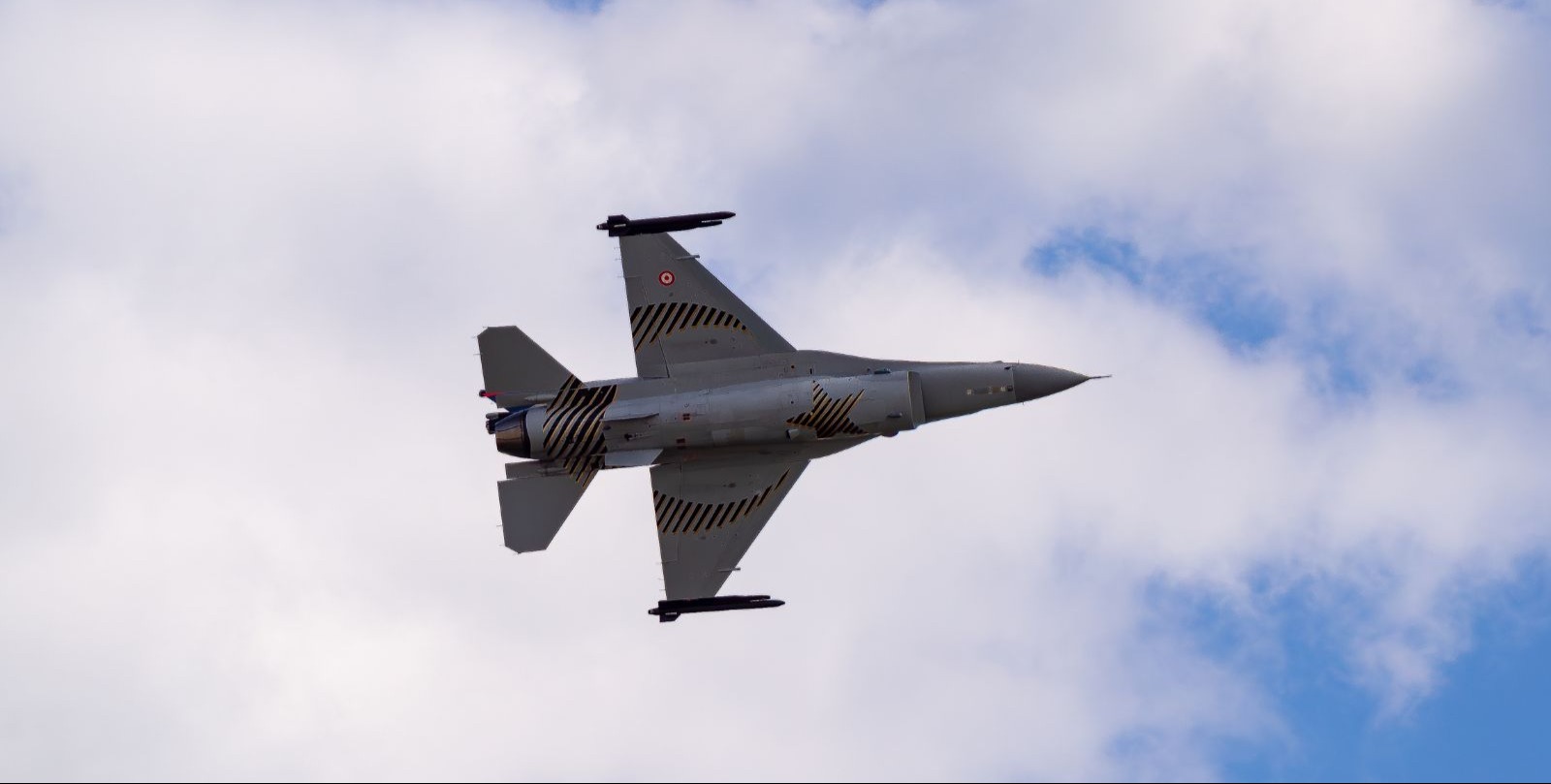
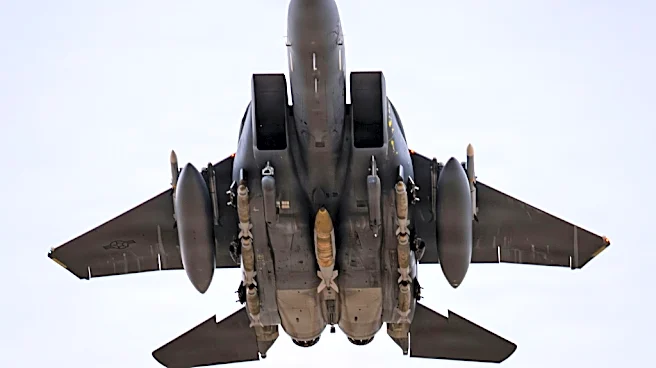
The Israeli Air Force has successfully conducted a strike that resulted in the death of Mohammad Reza Ashrafi Kahi, a senior commander within the Islamic Revolutionary Guard Corps' (IRGC) Oil Headquarters. This operation, announced by the military on Sunday,
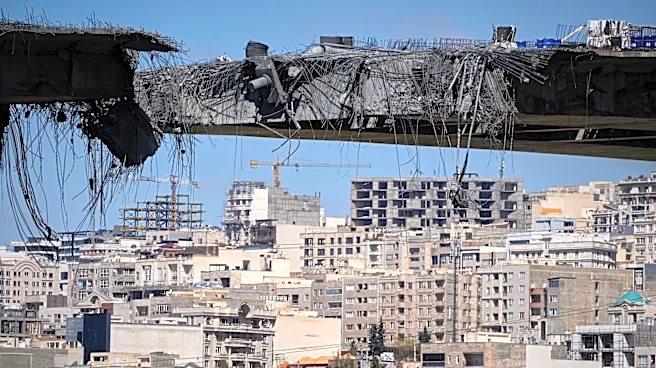
targeted Kahi who was instrumental in managing the financial operations of the IRGC, which include the sale of oil generating billions in profits. These funds are reportedly used to support Iran's military and its proxies across the Middle East, including groups like Hezbollah, the Houthis, and Hamas. The strike is part of a broader military campaign, Operation Roaring Lion, which has seen Israel targeting over 120 sites in Iran, focusing on infrastructure related to ballistic missiles, drones, and air defenses.
Why It's Important?
This development is significant as it underscores the ongoing tensions between Israel and Iran, particularly concerning Iran's military capabilities and its support for proxy groups in the region. The elimination of a key figure in Iran's oil and military operations could disrupt the financial and logistical support for these groups, potentially altering the balance of power in the Middle East. For the U.S., this action by Israel may influence diplomatic relations and military strategies in the region, as it highlights the persistent threat posed by Iran's military activities and its impact on regional stability.
What's Next?
Following this strike, there may be increased military and diplomatic activity as Iran could seek to retaliate or reinforce its positions. The international community, including the U.S., may need to navigate the heightened tensions and consider their implications for regional security and international relations. Additionally, further Israeli operations could be anticipated as part of their ongoing efforts to counter Iranian influence and military capabilities.