






What's Happening?
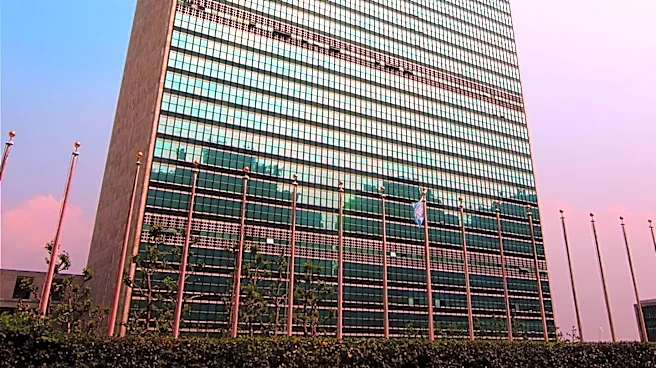
The United Nations Security Council has unanimously renewed the mandate of the U.N. Assistance Mission in Afghanistan (UNAMA), with China taking the lead in the negotiations for the first time. This marks a significant shift in China's approach to council
diplomacy, as it has historically avoided taking on such responsibilities. The U.S., France, and the United Kingdom typically hold the pen on multiple files, giving them informal power to set the diplomatic agenda. China's new role as the 'penholder' for Afghanistan reflects its growing confidence and competence in U.N. diplomacy. The renewal process was not without challenges, as the U.S. initially resisted China's leadership. However, a compromise was reached, allowing China to guide the renewal process while accommodating U.S. concerns. This development highlights China's increasing influence in the multilateral system and its willingness to engage in diplomatic negotiations at the U.N.
Why It's Important?
China's leadership in the renewal of the UNAMA mandate is significant as it demonstrates Beijing's growing role in international diplomacy and its willingness to take on more responsibility within the U.N. system. This move could signal a shift in the balance of power within the Security Council, traditionally dominated by Western countries. For the U.S., this development indicates a potential realignment in its diplomatic strategy, as it navigates China's rising influence. The renewal of the UNAMA mandate is crucial for maintaining international support for Afghanistan, especially in light of the Taliban's control. China's involvement may also reflect its strategic interests in Afghanistan, including economic and security concerns. This development could have broader implications for U.S.-China relations and the future of multilateral diplomacy at the U.N.
What's Next?
Following the renewal of the UNAMA mandate, China is expected to continue its diplomatic engagement at the U.N., potentially taking on more leadership roles in other areas. The U.S. and other Security Council members will likely monitor China's actions closely, assessing how its leadership style and priorities align with their own. The renewal process has set a precedent for future negotiations, where China may seek to assert its influence more prominently. The outcome of this diplomatic engagement could impact the Security Council's ability to address other global issues, as member states navigate the evolving dynamics of power and influence within the U.N.
Beyond the Headlines
China's role in the UNAMA renewal process highlights a broader trend of its increasing involvement in global governance. This development raises questions about the future of multilateralism and the potential for new alliances and power structures within the U.N. China's approach to diplomacy, characterized by a willingness to compromise and prioritize consensus, may contrast with the more assertive strategies of other major powers. This could lead to shifts in how international issues are addressed and resolved, with China positioning itself as a key player in shaping global policies. The implications of this shift extend beyond Afghanistan, potentially influencing how other geopolitical challenges are managed in the future.