







What's Happening?
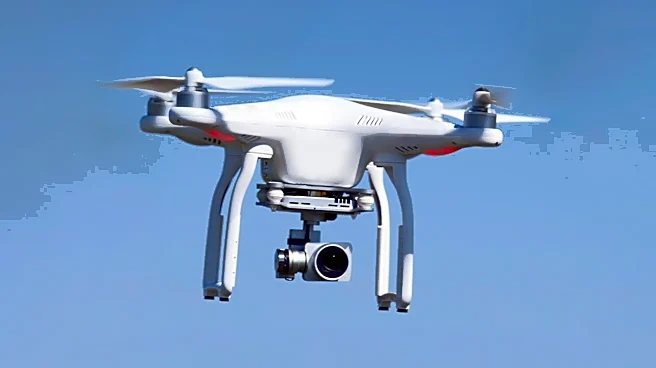
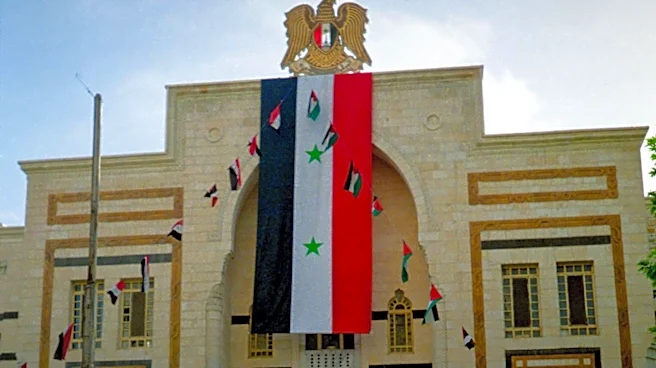
Syria's Interior Ministry announced the interception of a shipment of advanced weapons intended for Hezbollah, labeling the group as a 'terrorist militia.' The operation, conducted near the Syrian-Iraqi border, uncovered long-range missiles, guided anti-tank
missiles, and drones concealed in an oil tanker. This marks a significant shift in Syria's rhetoric towards Hezbollah, previously considered an ally under former President Bashar Assad. The Syrian government is now working with Iraq to trace the shipment's route and dismantle the smuggling network. The weapons were hidden in a tanker registered for transporting black fuel oil, which allowed it to pass through multiple inspection points undetected. The Syrian authorities have pledged to tighten border security and prevent the use of their territory for weapons trafficking.
Why It's Important?
This development signifies a potential realignment in Syria's foreign policy, particularly its stance towards Hezbollah. By publicly denouncing Hezbollah as a terrorist organization, Syria may be signaling a shift towards strengthening state control over its borders and distancing itself from non-state armed groups. This could impact regional security dynamics, especially in Lebanon, where Hezbollah holds significant influence. The collaboration with Iraq also highlights a growing regional effort to combat cross-border smuggling networks, which have thrived amid years of conflict. The outcome of this investigation could redefine Syria's relationships with neighboring countries and influence its internal security policies.
What's Next?
The ongoing investigation aims to identify all parties involved in the smuggling operation and dismantle the broader network. Syria's new administration may continue to redefine its security and political relationships with non-state actors, potentially leading to further policy changes. The cooperation with Iraq could strengthen bilateral ties and enhance regional security efforts. Observers will be watching for any additional measures Syria might take to assert state authority and prevent its territory from being used for illicit activities.
Beyond the Headlines
The decision to label Hezbollah a 'terrorist militia' could have long-term implications for Syria's domestic and foreign policy. It may indicate a broader restructuring of Syria's approach to armed groups and its relationship with Lebanon. This shift could also affect Hezbollah's operations and influence in the region, potentially leading to increased tensions or realignments among regional powers. The focus on border security and state sovereignty reflects Syria's efforts to stabilize and rebuild after years of conflict.