




What's Happening?
WorkingAbroad emphasizes the critical role of traditional ecological knowledge and local communities' governance systems in promoting biodiversity and reducing habitat loss. The organization's blog post, 'Sustainability Before the Buzzword,' highlights
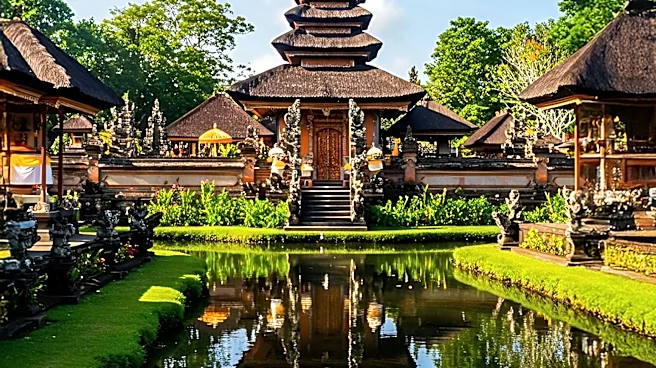
that indigenous people and local communities manage approximately 28% of the world's land surface, including ecologically intact forests. Their practices, deeply rooted in cultural and spiritual beliefs, encompass knowledge about medicinal plants, seasonal changes, soil conditions, water quality, and sustainable harvesting. The Intergovernmental Science Policy Platform on Biodiversity and Ecosystem Services (IPBES) global assessment in 2019 supports this, indicating that these systems are vital for biodiversity policy and human well-being. Examples cited include agroforestry in the Amazon rainforest, which integrates woody vegetation with crops and animal production, and the Subak irrigation system in Bali, Indonesia, a community-led water management approach dating back to the 9th century. These traditional methods demonstrate how food production and forest conservation can coexist, challenging the notion that environmental sustainability relies solely on new scientific innovations.
Why It's Important?
The recognition of traditional ecological knowledge by organizations like WorkingAbroad and IPBES is crucial for shifting global conservation strategies. By integrating long-standing practices of indigenous communities, there's potential to develop more effective and culturally sensitive approaches to environmental challenges. This perspective highlights that sustainability is not just about technological advancements but also about learning from generations of experience in living harmoniously with nature. For the U.S., this could influence policy-making regarding land management, particularly in areas with indigenous populations, and foster collaborations that respect and incorporate traditional wisdom. It underscores the economic viability of sustainable practices for local communities, as seen in the Amazon restoration program that creates opportunities through sustainable agriculture and forest products. This approach can lead to more resilient ecosystems and improved human well-being, offering a holistic model for conservation that benefits both nature and society.
What's Next?
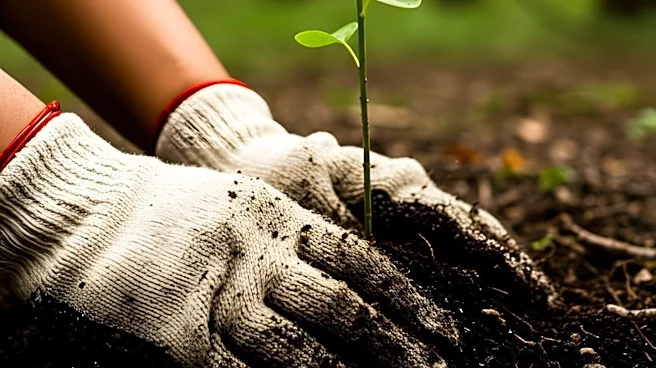
The ongoing integration of traditional knowledge into modern conservation efforts is a key next step. WorkingAbroad's Amazon restoration program in Peru serves as a model, combining biodiversity protection, regenerative agriculture, and community involvement. This project focuses on regenerating the rainforest through native tree planting and agroforestry, while also experimenting with non-timber forest products like cacao and banana vinegar. Such initiatives demonstrate that conservation can be both ecologically effective and economically viable for local communities. Future efforts will likely involve more partnerships between scientific institutions, NGOs, and indigenous groups to co-develop conservation strategies. The emphasis will be on understanding and leveraging the deep-seated relationship between people and their natural resources, moving beyond a sole reliance on new scientific innovations to a more integrated approach that values historical ecological wisdom. This could lead to broader adoption of agroforestry and other traditional farming practices in regions facing similar environmental pressures.
Beyond the Headlines
The deeper implication of this focus on traditional ecological knowledge is a re-evaluation of what constitutes 'expertise' in environmental management. It challenges the Western-centric view that scientific innovation is the sole path to sustainability, advocating for a more inclusive understanding that values indigenous wisdom. This shift has ethical dimensions, promoting respect for cultural heritage and the rights of indigenous communities who have historically been marginalized in conservation discussions. Legally, it could lead to stronger protections for indigenous lands and traditional practices, recognizing their intrinsic value in maintaining biodiversity. Culturally, it fosters a richer dialogue between different knowledge systems, potentially leading to more holistic and effective solutions for climate change and biodiversity loss. This approach also highlights the importance of local governance and community-led initiatives, suggesting that empowering those closest to the land can yield more sustainable outcomes in the long term.