

What's Happening?
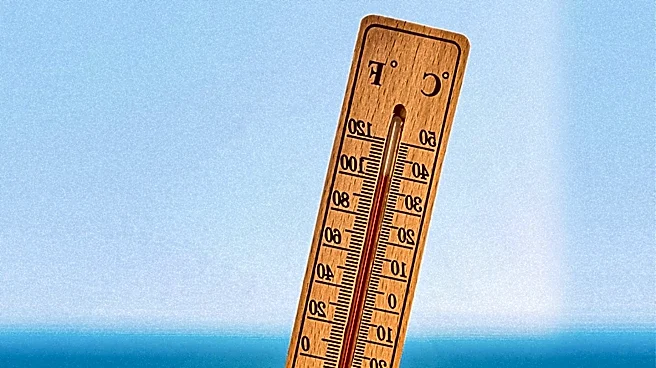
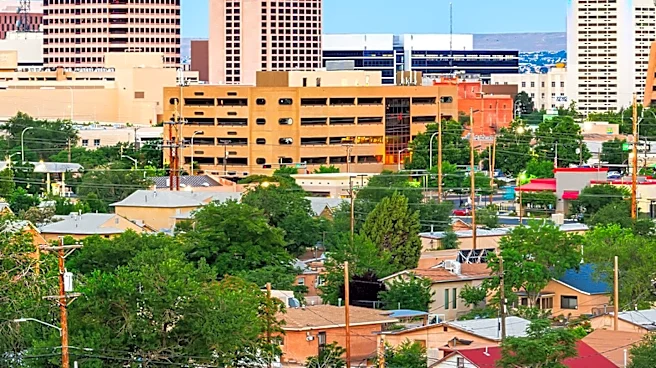
Albuquerque is currently experiencing a severe heat wave, with temperatures reaching 100 degrees or higher for seven consecutive days. This extreme weather has led to significant health concerns, as reported by Dr. Jon Femling, an emergency medicine physician
at the University of New Mexico. The city recorded its fifth hottest July since 1892, and the heat is exacerbating health issues such as dehydration and kidney problems. Additionally, the high temperatures are affecting vehicles, with local mechanics noting an increase in overheating and air conditioning failures. Albuquerque's elevation of 5,500 feet intensifies the heat's effects, making the air drier and causing people to breathe faster.
Why It's Important?
The ongoing heat wave in Albuquerque highlights the broader challenges posed by extreme weather conditions, which are becoming more frequent due to climate change. The health impacts are significant, with increased cases of heat-related illnesses putting a strain on medical facilities. The vehicle issues also underscore the economic impact, as residents face potential repair costs and disruptions. This situation serves as a reminder of the need for infrastructure and community preparedness to handle such extreme weather events, which can have widespread implications for public health and safety.
What's Next?
As the heat wave continues, residents are advised to stay hydrated and take precautions to avoid heat-related illnesses. The city may need to consider implementing additional measures to support vulnerable populations, such as opening cooling centers or providing resources for vehicle maintenance. Long-term, this event could prompt discussions on urban planning and climate resilience strategies to better equip Albuquerque for future extreme weather conditions.