





What's Happening?
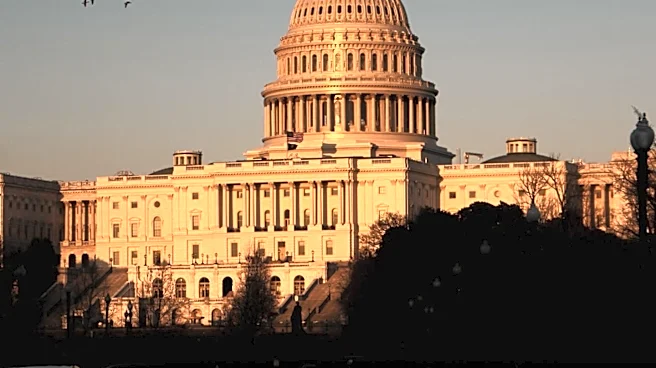
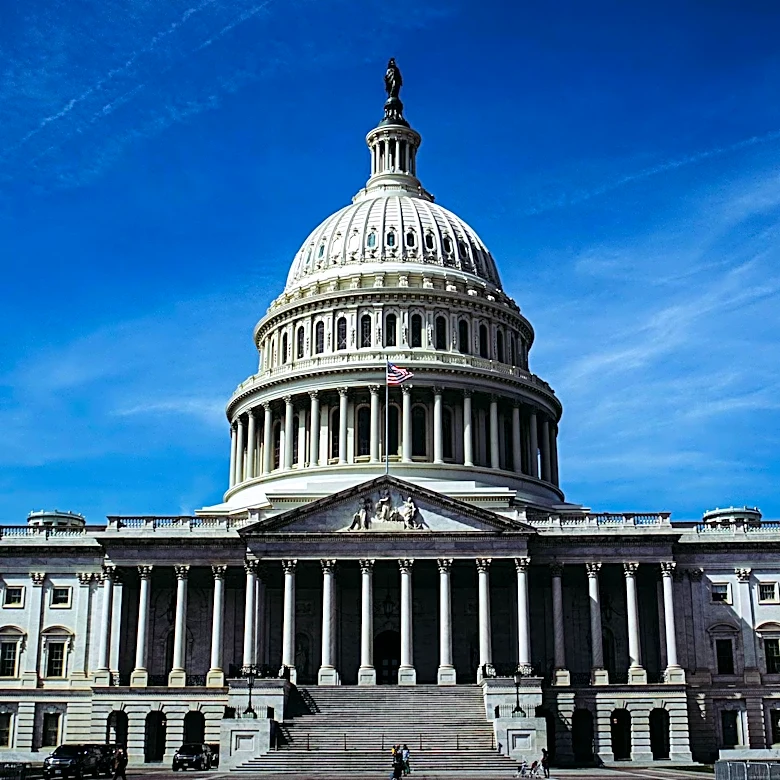
The U.S. Senate has unveiled a short-term spending bill designed to fund the federal government through December 11, thereby avoiding a government shutdown before the upcoming election. The bill, which maintains current funding levels, is set to be voted
on by the Senate this week. Senate Majority Leader John Thune emphasized the importance of passing the bill to prevent another shutdown, citing recent shutdowns as a significant concern. The bill still requires approval from the House, which has already passed its own version without certain White House-requested exceptions.
Why It's Important?
The introduction of this spending bill is crucial in ensuring the continuity of government operations and avoiding the political and economic fallout of a shutdown. With elections approaching, lawmakers are keen to avoid the negative public perception associated with government dysfunction. The bill's passage would provide temporary stability, allowing federal agencies to continue operations without interruption. However, the exclusion of certain White House requests, such as funding for 'Trump-class' battleships, highlights ongoing partisan disagreements that could impact future negotiations.
What's Next?
If the Senate passes the bill, it will move to the House for approval. The outcome will depend on negotiations between the two chambers, particularly regarding the exceptions not included in the House version. Lawmakers will need to reconcile these differences to ensure the bill's passage before the fiscal year ends on September 30. The situation underscores the ongoing challenges in achieving bipartisan agreement on budgetary matters, which will likely continue to be a contentious issue in the lead-up to the election.