


What's Happening?
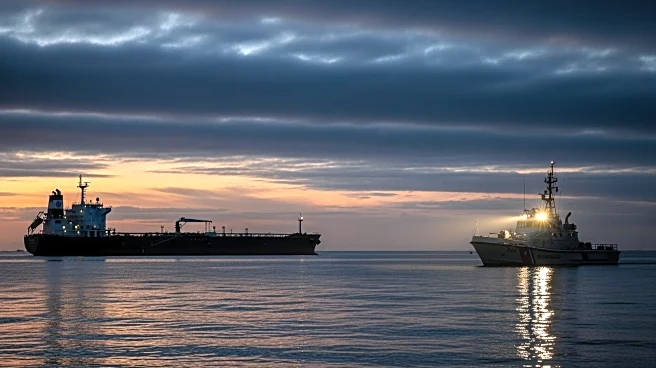
The U.S. Coast Guard is encountering difficulties in its efforts to seize oil tankers linked to Venezuela, as tensions rise between the two nations. Recent reports indicate that the Venezuelan navy is escorting some oil tankers to prevent their seizure
by U.S. forces. The U.S. has been attempting to enforce a blockade, but the effectiveness of these efforts is in question. A U.S. official revealed that the Coast Guard is awaiting additional forces to potentially board and seize a Venezuela-linked oil tanker. The situation has been further complicated by the involvement of tankers previously engaged in the Iranian oil trade, which are now subject to seizure under international law.
Why It's Important?
This development is significant as it highlights the ongoing geopolitical tensions between the U.S. and Venezuela, particularly concerning oil trade and sanctions. The U.S. strategy to seize Venezuelan oil tankers is part of broader efforts to pressure the Venezuelan government. However, the involvement of the Venezuelan navy and the potential for escalation could impact international relations, especially with countries like China, which may have interests in the seized oil. The situation underscores the complexities of enforcing international sanctions and the potential for unintended diplomatic consequences.
What's Next?
The U.S. Coast Guard is expected to continue its efforts to intercept and seize tankers linked to Venezuela. However, the presence of Venezuelan naval escorts may lead to increased tensions and potential confrontations. The U.S. may need to reassess its strategy and consider diplomatic channels to address the situation. Additionally, the international community will be closely monitoring the developments, as any escalation could have broader implications for global oil markets and geopolitical stability.