
What's Happening?
A powerful El Niño event is developing, expected to peak in the winter, with significant implications for global weather patterns. Characterized by abnormally warm Pacific waters, El Niño influences global rainfall
and temperatures, leading to wetter conditions in some regions and drier in others. This year's event is forecasted to be one of the strongest on record, potentially affecting agricultural yields and economic stability worldwide. The phenomenon has historically caused substantial economic losses, and its current strength raises concerns about its impact on food security and economic resilience.
Why It's Important?
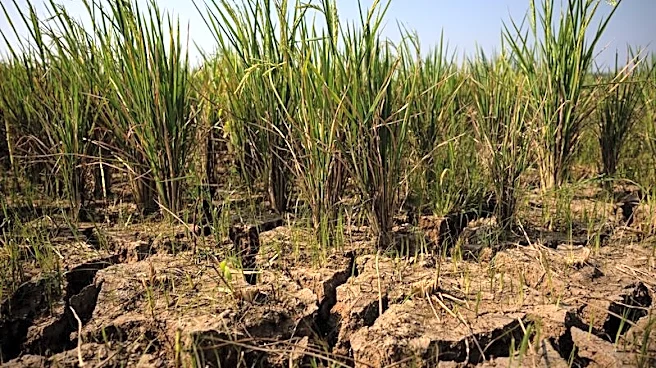
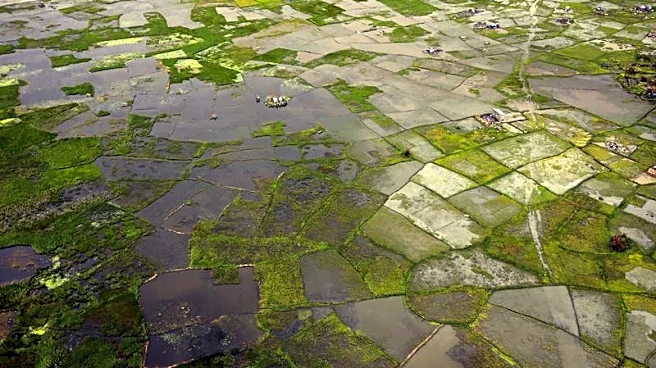
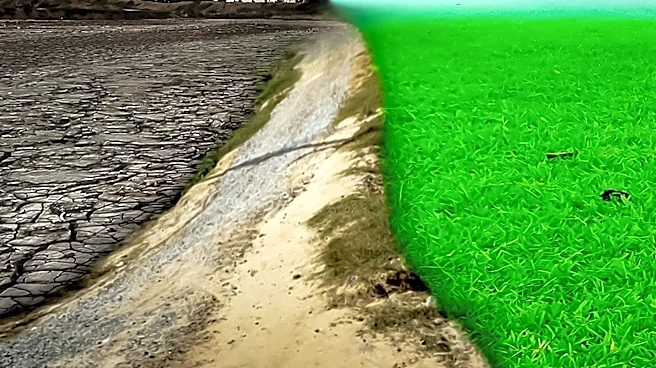
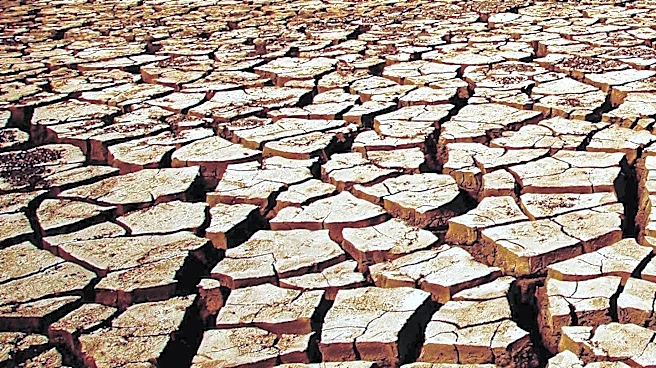
The strength of this El Niño event could lead to significant disruptions in global agriculture, affecting food production and prices. Regions like the United States, Central Asia, and parts of Africa and South America may see increased agricultural yields, while others, such as southern Africa and Central America, face risks of reduced crop production. The economic impact could be severe, particularly for lower-income countries already grappling with other economic challenges. The event underscores the need for international cooperation and preparedness to mitigate its effects on food security and economic stability.
What's Next?
Governments and international organizations are on high alert, preparing for potential impacts on agriculture and economies. Efforts to mitigate the effects include developing contingency plans, securing food supplies, and enhancing infrastructure resilience. Aid agencies are mobilizing resources to support vulnerable regions, and policymakers are urged to prioritize climate adaptation strategies. The situation calls for ongoing monitoring and collaboration to address the challenges posed by this powerful El Niño event.