


What's Happening?
California lawmakers are exploring reforms to expedite vote counting and bolster public trust in elections, addressing the challenge of slow ballot processing. Recent legislation, Senate Bill 1420 and Assembly Bill 2604, aims to improve these timelines.
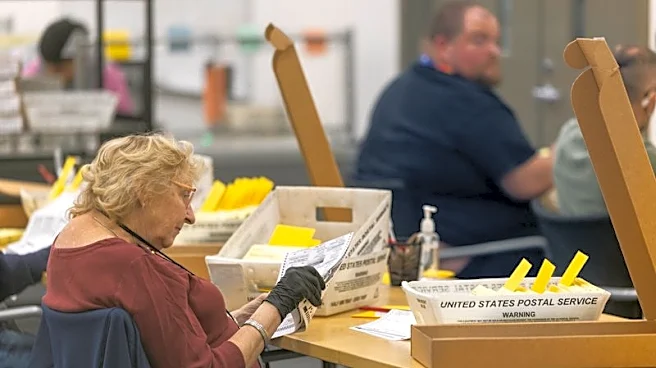
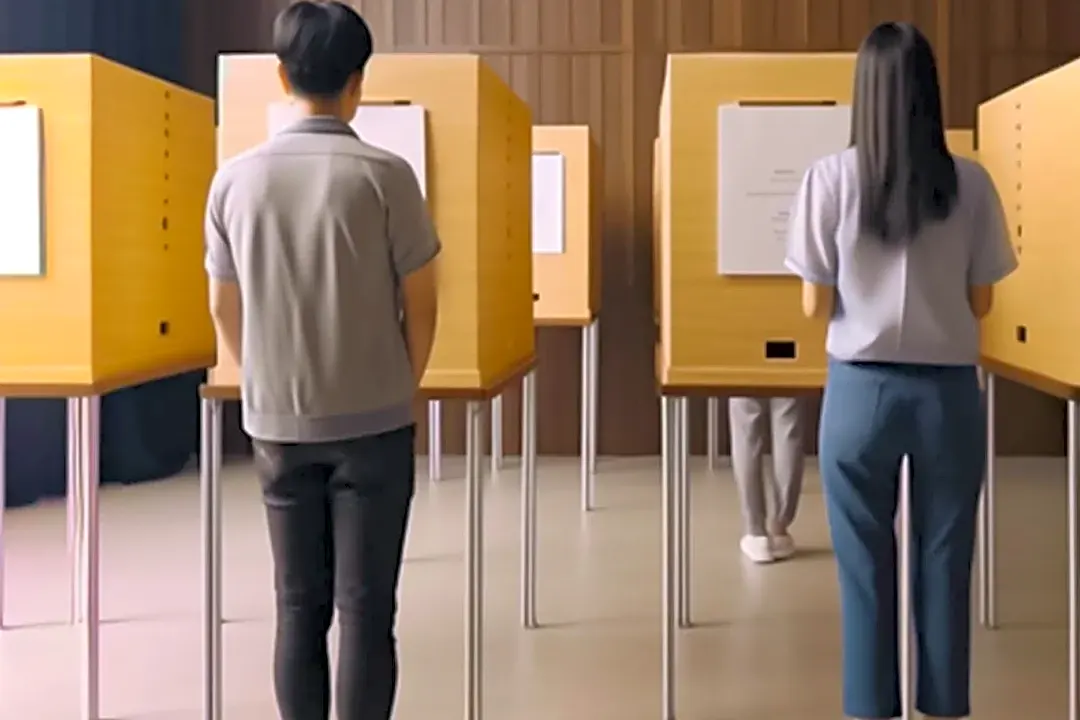
Senate Bill 1420 seeks to expand the 'Sign, Scan, Go' option statewide, allowing voters to cast mail ballots in-person at polling locations, bypassing the time-consuming process of envelope opening and signature verification. Assembly Bill 2604 broadens access to technology enabling voters to correct ballot issues via text message, a service currently available in some counties. These measures are designed to streamline the processing of mail ballots, which constitute over 80% of votes in California's general elections since 2020, and to mitigate delays caused by late-arriving ballots and extended ballot curing periods.
Why It's Important?
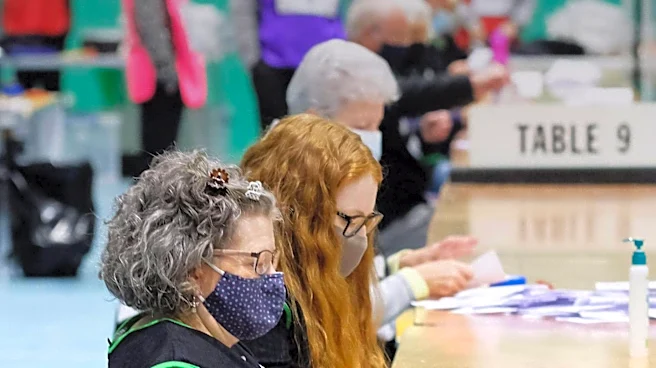
The efficiency of vote counting directly impacts public perception and trust in the democratic process. Prolonged delays in election results can create an environment ripe for misinformation and unfounded allegations, eroding confidence in the integrity of elections. California's reliance on mail-in voting, while convenient for voters, introduces administrative complexities that contribute to these delays. By streamlining the processing of mail ballots and offering more efficient methods for voters to correct errors, these reforms aim to deliver timely results, which is crucial for maintaining faith in the electoral system. The proposed changes also address the operational burden on election workers, allowing them to manage high volumes of ballots more effectively, especially those arriving close to or on Election Day. This is particularly significant in a state where a substantial portion of ballots are cast by mail.
What's Next?
Lawmakers are considering further reforms beyond the recently signed bills, including potentially requiring mail ballots to arrive by Election Day and shortening the ballot curing period. Currently, California accepts ballots up to seven days late if postmarked by Election Day and allows 22 days for voters to correct errors, which is significantly longer than most states. Implementing an Election Day deadline for mail ballots, similar to 35 other states, would provide greater certainty for election officials regarding the total number of ballots to be processed. Reducing the ballot curing period, which is seven days or less in 20 of the 34 states that permit it, would also accelerate the finalization of results. These additional changes would further streamline the mail voting process, aiming to provide Californians with faster and more definitive election outcomes.
Beyond the Headlines
The discussion around speeding up vote counting in California touches upon fundamental aspects of modern democratic practice and public engagement. The tension between voter convenience, offered by mail-in voting, and the administrative challenges it presents, highlights a critical area for policy innovation. The adoption of technology, such as text message-based ballot curing, signifies a broader trend towards digitizing and modernizing electoral processes to meet contemporary expectations for efficiency and accessibility. However, these technological advancements must be balanced with robust security measures to maintain the integrity of the vote. The debate also reflects the ongoing national conversation about election security and the importance of transparent, timely results in an era of heightened political polarization. Ultimately, these reforms are not just about counting faster, but about reinforcing the legitimacy of election outcomes and strengthening public confidence in democratic institutions.