


What's Happening?
The American Spray Drone Coalition (ASDC) has raised concerns over the Federal Communications Commission's (FCC) recent decision to expand its 'Covered List' to include all foreign-made Unmanned Aircraft Systems (UAS) and their components. This move,
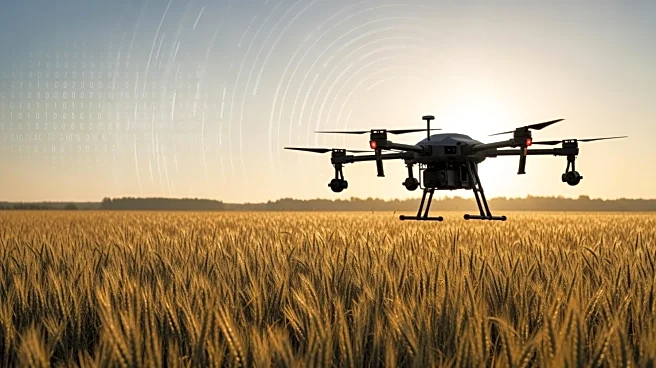
according to ASDC, threatens the agricultural sector by limiting access to essential spray drone technology. The coalition, which advocates for the agricultural industry's use of drones, argues that the FCC's broad action could disrupt innovation, supply chains, and farmer access to critical technology. Eric T. Ringer, President of ASDC, emphasized the need for a balance between security and innovation, warning that the ban could hinder technological progress necessary for American farmers to remain competitive globally. ASDC is engaging with federal stakeholders to seek clarity on the ban's implementation and advocate for a strategic transition plan that protects national security while ensuring farmers have access to advanced aerial application technology.
Why It's Important?
The FCC's decision to ban foreign UAS components could have significant implications for the U.S. agricultural sector. By restricting access to essential drone technology, the ban may impede the ability of American farmers to adopt innovative practices that enhance productivity and sustainability. This could lead to increased costs and reduced competitiveness in the global market. The ASDC's call for a more targeted approach highlights the need for policies that support domestic manufacturing while allowing for the continued use of critical foreign components. The outcome of this issue could affect the agricultural industry's ability to innovate and maintain its position as a leader in sustainable farming practices.
What's Next?
The ASDC is actively working with federal stakeholders to address the concerns raised by the FCC's ban. The coalition is advocating for a strategic transition plan that allows for a gradual shift to domestic production of drone components, ensuring that farmers can continue to access the technology they need. The outcome of these discussions could lead to adjustments in the FCC's policy, potentially allowing for exemptions or a phased implementation that balances security concerns with the practical needs of the agricultural sector.