




What's Happening?
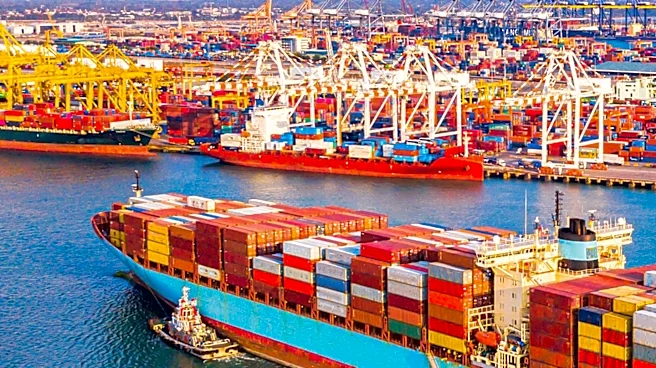
Since January 2025, President Trump's administration has increasingly used executive authority to impose tariffs on nearly all U.S. trading partners, fundamentally shifting trade policy away from reliance on negotiated free trade agreements (FTAs). This
approach has led to significant uncertainty, as new tariffs can be layered on top of existing trade deals, effectively diminishing their protective benefits. For instance, while FTAs might reduce standard tariffs, they do not shield imports from additional duties imposed under presidential authorities like Section 232 or Section 301. The average U.S. tariff rate on imports jumped from 2.2% to 9.9% between January 2025 and January 2026. For countries with FTAs, the rate increased from 0.2% to 4.6%, representing a more than 2,000% increase, despite starting from a lower base. This demonstrates that while the 'free trade discount' remains, the additional tariffs can be substantial, as seen with a copper shower faucet from Bahrain facing a 50% Section 232 tariff despite an FTA.
Why It's Important?
This shift in U.S. trade policy has profound implications for global trade relations and the stability of international commerce. It undermines the predictability and certainty that FTAs are designed to provide, making it challenging for businesses and trading partners to plan and invest. The ability of the executive branch to unilaterally impose tariffs, regardless of existing agreements, creates an environment of constant uncertainty, potentially deterring foreign investment and disrupting established supply chains. For U.S. industries, this could mean higher input costs, reduced competitiveness, and retaliatory tariffs from affected countries. For trading partners, it raises questions about the value of engaging in FTAs with the U.S. if their benefits can be easily circumvented. This approach contrasts sharply with other global powers, like the European Union, which continue to pursue and expand free trade agreements, suggesting a divergence in international trade philosophies.
What's Next?
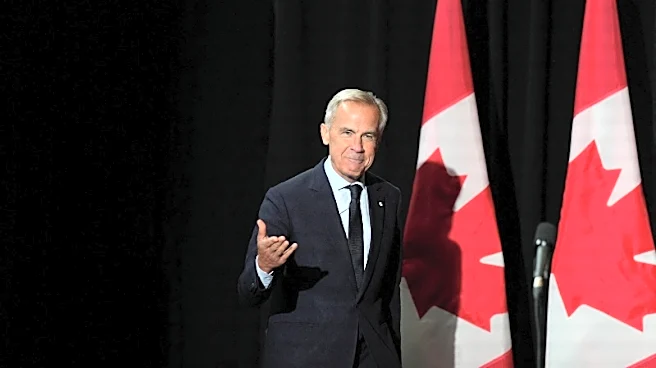
The continued reliance on executive authority for imposing tariffs suggests that trade policy will remain a dynamic and potentially volatile area. Trading partners will likely continue to navigate this uncertain landscape, potentially seeking alternative trade relationships or adjusting their supply chains to mitigate risks. The erosion of the United States-Mexico-Canada Agreement (USMCA) protection, with new tariffs imposed on Canadian imports under Section 338, sets a precedent that even comprehensive trade deals may not be immune. This could lead to further instability in North American trade relations. The broader question remains whether FTAs will continue to be viable tools for opening markets and strengthening supply chains in the face of such unilateral actions. The international community will be closely watching how the U.S. balances its use of tariffs with its commitment to existing trade agreements and its role in the global trading system.
Beyond the Headlines
The U.S. administration's approach to tariffs, which effectively 'trumps' existing free trade agreements, raises fundamental questions about the future of international trade law and the balance of power between executive authority and legislative agreements. This strategy could lead to a re-evaluation of how international trade agreements are structured and enforced, potentially pushing other nations to develop more robust mechanisms to protect themselves from unilateral tariff actions. Ethically, it challenges the principle of good faith in international relations, as agreements are seemingly disregarded. Culturally, it could foster a more protectionist global economic environment, moving away from decades of globalization and interconnectedness. The long-term shift could be towards a more fragmented global trading system, where bilateral deals and strategic alliances become more important than multilateral frameworks, fundamentally altering the landscape of international commerce and cooperation.