






What's Happening?
Researchers at the University of Maryland have developed innovative smart underwear designed to continuously track human flatulence. This new device aims to provide objective measurements of intestinal gas production, a significant advancement from previous
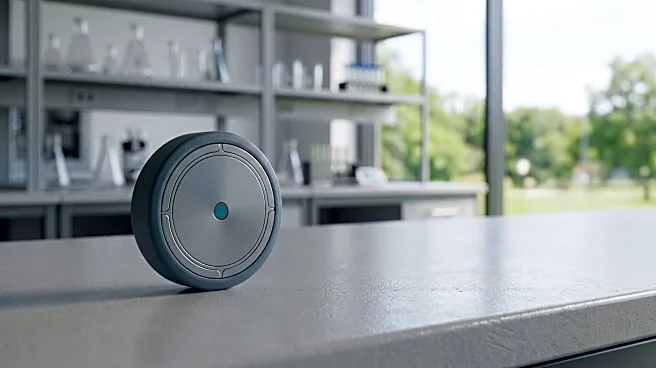
unreliable methods like self-reporting or uncomfortable rectal tubes. The smart underwear features tiny, discreet sensors that snap onto the garment and monitor the release of hydrogen, a gas produced exclusively by gut microbes. This continuous tracking offers a direct readout of microbial fermentation activity in the gut. The study, published in the journal Biosensors and Bioelectronics, involved nearly 60 healthy participants. Nineteen participants wore the underwear for seven days during daily activities to test comfort and gas detection, while another 38 participated in a controlled diet experiment to assess the device's ability to detect diet-induced changes in gas production. The findings revealed that healthy adults produce flatus an average of 32 times per day, significantly higher than the 14 daily events often cited in medical literature, with individual variations ranging from four to 59 farts.
Why It's Important?
This development is crucial for advancing scientific understanding of human metabolism and gut health. Currently, there is no established baseline for normal flatulence production, unlike other physiological measures such as blood glucose or cholesterol. The lack of objective data has hindered the ability to determine when gas production is truly excessive, making it difficult to diagnose and manage digestive issues effectively. The smart underwear provides a non-invasive, comfortable, and continuous monitoring method, which was previously unavailable due to sensor size, power requirements, and comfort issues. This technology could have practical applications in identifying triggers for serious digestive diseases like irritable bowel syndrome (IBS) and food intolerances. By establishing an 'objective baseline for gut microbial fermentation,' as stated by Dr. Brantley Hall, a study author, researchers can better evaluate how dietary, probiotic, or prebiotic interventions impact microbiome activity, leading to more personalized and effective health strategies.
What's Next?
The University of Maryland team plans to expand their research by conducting an experiment to track flatulence patterns day and night across hundreds of participants. This larger study will correlate these patterns with diet and microbiome composition, aiming to create a comprehensive 'Human Flatus Atlas.' This atlas will establish objective baselines for gut microbial fermentation, providing essential groundwork for future research into how various interventions affect gut health. Researchers are actively recruiting participants across different categories, including 'Zen Digesters' (individuals with high-fiber diets and minimal flatulence) and 'Hydrogen Hyperproducers' (those who produce a significant amount of gas). The long-term goal is to leverage this data to develop more precise diagnostic tools and personalized treatment plans for individuals suffering from digestive disorders, ultimately improving overall gut health and well-being.
Beyond the Headlines
The introduction of smart underwear for flatulence tracking represents a broader trend in wearable technology and personalized health monitoring. Similar to continuous glucose monitors (CGMs) that have moved beyond diabetes management to general wellness, this device could democratize access to detailed physiological data previously only available through invasive clinical procedures. This shift empowers individuals with more granular insights into their bodily functions, potentially fostering a more proactive approach to health. However, it also raises questions about data privacy and the potential for over-interpretation of data by individuals without medical guidance. The ethical implications of collecting and utilizing such intimate physiological data will need to be carefully considered as these technologies become more widespread. Furthermore, the ability to objectively measure gut microbial activity could revolutionize nutritional science, moving beyond generalized dietary advice to highly individualized recommendations based on real-time biological responses.