
What's Happening?
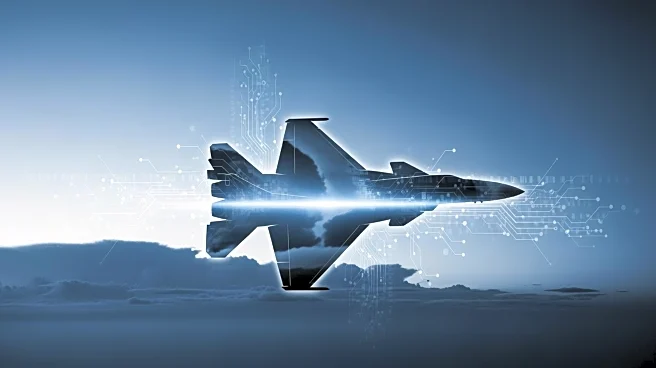
Spanish defense electronics provider Indra is developing a new airborne electronic-attack system designed for use on fighter jets. The system, which can be mounted under the fuselage or on the wings, is capable
of jamming communication and radar systems. It also supports standoff jamming applications, which allow for electronic attacks from a distance. This development comes as more countries, particularly in Europe, are looking to introduce airborne jamming systems. NATO has been working on a stand-in jamming capability code to encourage investment in such technologies. Indra will face competition from companies like Saab, which is supplying systems for the German Air Force's Eurofighter Typhoons. Spain has also recently increased its order for these fighters, committing to an additional 25 units.
Why It's Important?
The development of advanced electronic-attack systems by companies like Indra is significant in the context of modern warfare, where electronic warfare capabilities are increasingly crucial. As nations seek to enhance their defense systems, the ability to disrupt enemy communications and radar can provide a strategic advantage. This trend is particularly relevant for NATO countries, which are investing in technologies to counter potential threats. The competition in this market, highlighted by Indra's rivalry with Saab, underscores the growing demand for sophisticated electronic warfare solutions. This could lead to increased defense spending and further technological advancements in the sector.
What's Next?
Indra has not disclosed when its new electronic-attack system will be available or its pricing, leaving questions about its market entry timeline. As the system progresses, it will be important to monitor how it is received by potential buyers, particularly within NATO countries. The competitive landscape, including Saab's existing contracts, will also influence Indra's market strategy. Additionally, the broader implications for defense policy and military procurement in Europe and beyond will be shaped by the adoption of such technologies.