






What's Happening?
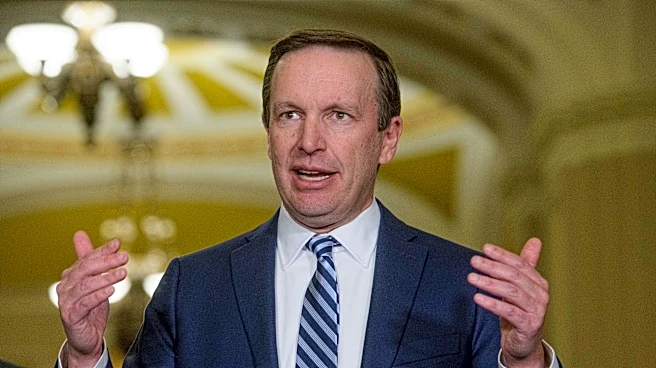
Senator Chris Murphy, a Democrat from Connecticut, suffered a stroke over the weekend. The 53-year-old senator experienced numbness in his arm while attending his son’s hockey game on Saturday and was subsequently taken to a local hospital. According
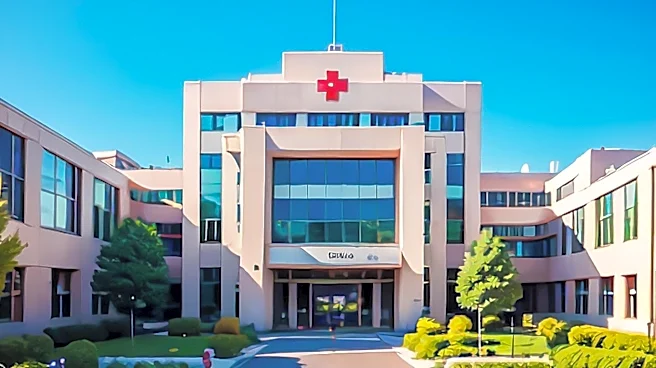
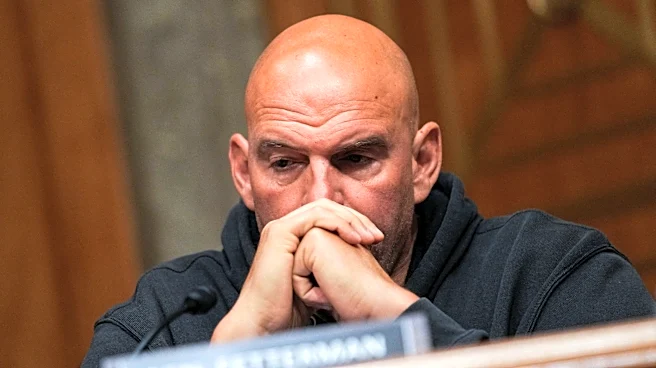
to Allison Herwitt, Murphy’s chief of staff, he was later transferred to Johns Hopkins Hospital in Baltimore for monitoring and treatment. Herwitt stated that Senator Murphy is awake and alert, and is expected to make a full recovery. Following the news, numerous officials and lawmakers, including Connecticut Governor Ned Lamont, fellow Connecticut Senator Richard Blumenthal, and Pennsylvania Senator John Fetterman, offered their well-wishes and support for a speedy recovery. Senator Murphy was first elected to the U.S. House of Representatives in 2006 and has served in the U.S. Senate since 2012. He was scheduled to appear at a campaign event with U.S. Rep. Chris Pappas, the Democratic nominee for U.S. Senate in New Hampshire, on Sunday.
Why It's Important?
The health of a sitting U.S. Senator is a matter of national importance, as it can impact legislative proceedings and the balance of power within Congress. Senator Murphy's role in the Senate means his temporary absence, even if brief, could affect committee work or voting schedules, particularly if critical legislation is pending. His expected full recovery is crucial for maintaining continuity in his representation of Connecticut and his contributions to national policy debates. The outpouring of support from colleagues, including Senator Fetterman who also experienced a stroke, highlights the personal and professional solidarity among lawmakers during health crises. This event also underscores the demanding nature of public service and the potential health challenges faced by individuals in high-stress roles, reminding the public of the human element behind political figures.
What's Next?
Senator Murphy will undergo monitoring and treatment at Johns Hopkins Hospital, with his chief of staff indicating an expected full recovery. The immediate next steps will involve his medical team ensuring his stable condition and planning for his rehabilitation, if necessary. While he is not up for re-election in the upcoming midterms, his recovery timeline will determine his return to official duties in the Senate. In the interim, his staff will likely manage his office operations and constituent services. His colleagues will continue to offer support, and his absence from legislative activities will be temporary, given the positive prognosis. The focus will be on his health and ensuring a smooth transition back to his responsibilities once he is medically cleared.
Beyond the Headlines
Senator Murphy's stroke brings to light the broader issue of health and wellness among public officials, particularly in demanding roles like that of a U.S. Senator. It can spark conversations about the support systems available to lawmakers and the importance of early detection and treatment for medical conditions. The public nature of his health event also serves as a reminder of the vulnerability of individuals, regardless of their public stature, and can foster empathy. Furthermore, the swift and public support from his colleagues, especially from Senator Fetterman who has personal experience with stroke recovery, can help destigmatize health issues among public figures and encourage open dialogue about health challenges. This event may also subtly influence discussions around work-life balance and stress management within the political sphere.