


What's Happening?
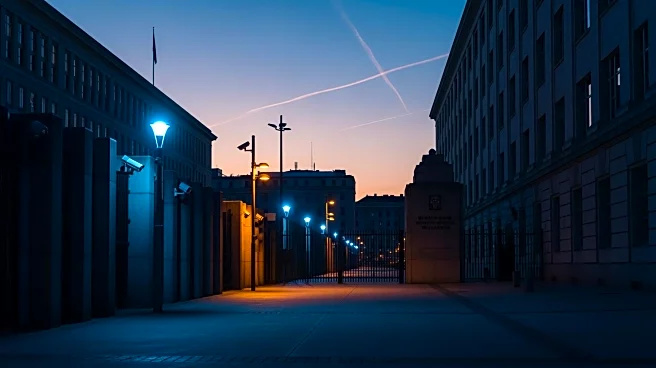
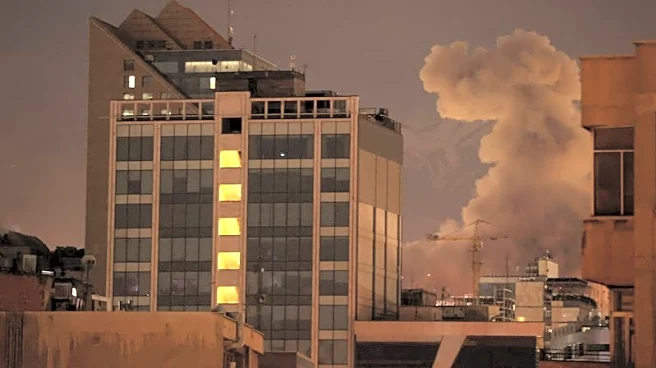
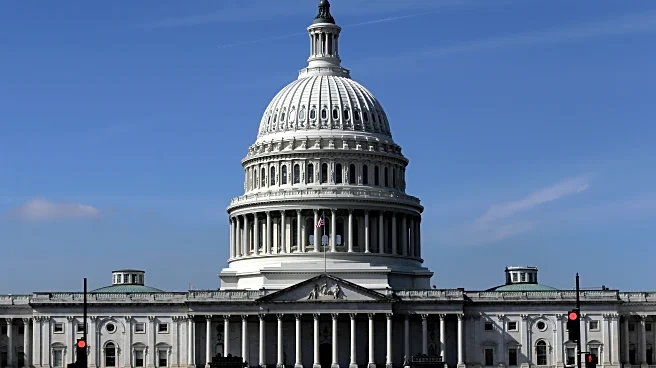
In response to recent strikes by Iran, federal agencies across the United States have heightened security measures around sensitive sites. This includes increased vigilance at government buildings and critical infrastructure. Additionally, flights to and from
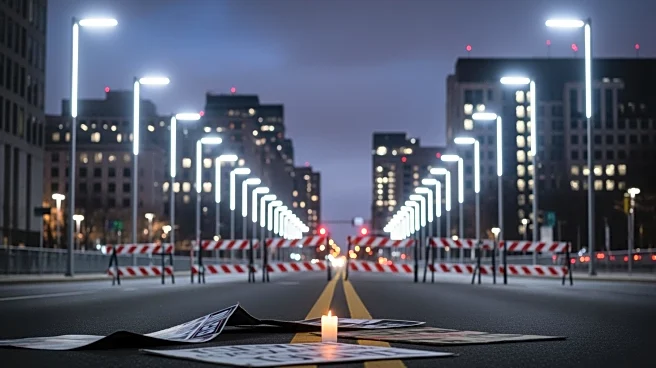
the Middle East have been canceled as a precautionary measure. The situation has sparked protests in several major U.S. cities, with demonstrators expressing various concerns related to the geopolitical tensions. The protests have been largely peaceful, but they reflect a growing unease among the public regarding international relations and national security.
Why It's Important?
The escalation of security measures and the emergence of protests highlight the broader implications of international conflicts on domestic affairs. The increased security presence is a direct response to potential threats, aiming to safeguard national interests and public safety. However, the cancellation of flights can disrupt travel plans and affect economic activities related to international travel and trade. The protests indicate a significant level of public engagement and concern over foreign policy decisions, which could influence political discourse and policy-making. This situation underscores the interconnectedness of global events and their impact on U.S. society.
What's Next?
As the situation develops, federal agencies will continue to monitor potential threats and adjust security protocols as necessary. Diplomatic efforts may be intensified to de-escalate tensions and prevent further conflict. The protests are likely to persist, potentially influencing public opinion and political agendas. Lawmakers and government officials may face increased pressure to address the concerns raised by demonstrators and to provide clarity on the U.S. stance in the ongoing geopolitical situation. The outcome of these developments could have lasting effects on U.S. foreign policy and national security strategies.