






What's Happening?
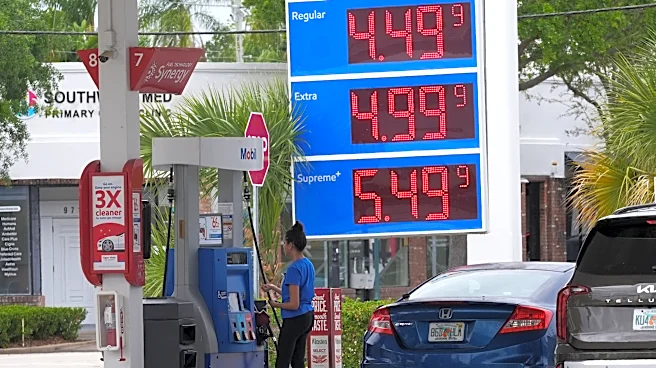
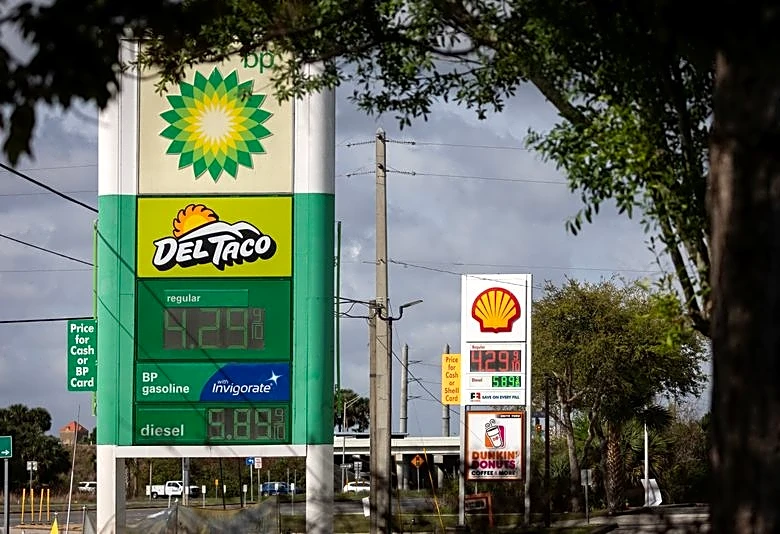
The University of Michigan's Consumer Sentiment Index has fallen to a record low of 47.6 in April, reflecting widespread economic concerns among Americans. The decline in sentiment is attributed to rising energy prices and the ongoing conflict with Iran,
which have contributed to increased inflation and economic uncertainty. The survey indicates that consumers across various demographic groups are experiencing setbacks in sentiment, with many expressing concerns about their personal finances and job prospects. The impact of higher fuel prices is evident in everyday purchases and transportation costs, further exacerbating the economic strain on households.
Why It's Important?
The record low in consumer sentiment highlights the significant impact of geopolitical tensions on the U.S. economy. Rising energy prices, driven by the conflict with Iran, have led to increased inflation and economic uncertainty, affecting consumer confidence and spending behavior. This situation poses challenges for policymakers, as they seek to manage inflation while supporting economic growth. The decline in consumer sentiment could lead to reduced consumer spending, which is a critical driver of the U.S. economy. Businesses may face decreased demand, potentially affecting their revenue and growth prospects. Additionally, the broader economic implications of the Iran conflict underscore the interconnectedness of global events and domestic economic conditions.
Beyond the Headlines
The ongoing conflict with Iran and its impact on energy prices highlight the vulnerability of the U.S. economy to external shocks. The situation underscores the need for strategic energy policies and diversification of energy sources to mitigate the impact of geopolitical tensions. Additionally, the decline in consumer sentiment reflects broader concerns about economic stability and the ability of households to manage rising costs. Policymakers may need to consider measures to support consumer confidence and address the underlying economic challenges, such as wage stagnation and income inequality.