



What's Happening?
A comprehensive study conducted by researchers at McGill University and Adolfo Ibáñez University in Chile has revealed that spending time in nature can significantly impact brain activity, promoting relaxation and reducing stress. The study reviewed over
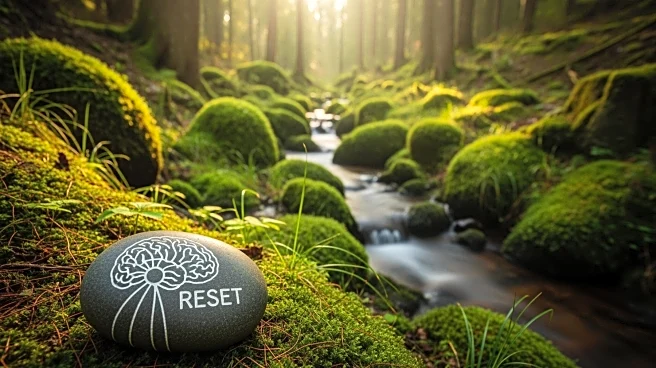
100 brain-imaging studies and found that even brief exposure to natural environments can lead to measurable changes in brain function. These changes include reduced activity in the amygdala, the brain's threat-detection center, and a shift towards a more restorative mode of attention. The research highlights the potential of nature exposure to serve as a mental reset, offering benefits that a digital detox alone cannot provide. The findings support the growing field of nature connectedness, which emphasizes the importance of human interaction with the natural world for overall well-being.
Why It's Important?
The study's findings underscore the importance of integrating nature into urban planning and public health policies. As concerns about screen time and mental health grow, nature exposure offers a viable solution for stress reduction and cognitive restoration. The research suggests that incorporating natural elements into urban environments could enhance public health outcomes by providing accessible mental health benefits. Additionally, the study supports the concept of 'social prescribing,' where healthcare providers recommend time in nature as part of treatment plans. This approach could lead to more holistic healthcare practices and improve patient outcomes by addressing mental health through environmental interventions.
What's Next?
The study's authors advocate for further research into the neural mechanisms underlying the benefits of nature exposure. They suggest that future studies should focus on long-term effects and explore how different types of natural environments impact brain function. The findings also call for policymakers to consider the role of nature in urban design and healthcare strategies. By promoting green spaces and encouraging nature-based activities, communities can foster environments that support mental health and well-being. As the field of nature connectedness continues to grow, it may lead to innovative approaches in public health and urban planning that prioritize human-nature interactions.
Beyond the Headlines
The research highlights a broader societal impact, suggesting that individuals who feel more connected to nature are more likely to engage in pro-environmental behaviors. This connection between personal well-being and environmental stewardship reinforces the idea that caring for nature and oneself are interconnected. The study also raises ethical considerations about access to nature, emphasizing the need for equitable distribution of green spaces in urban areas. Ensuring that all communities have access to nature could help address health disparities and promote social equity.