


What's Happening?
The current El Niño event, projected to be historically strong and peak in December with lasting impacts into 2027, is already severely affecting smallholder farmers globally, particularly in tropical and subtropical regions. This phenomenon is causing
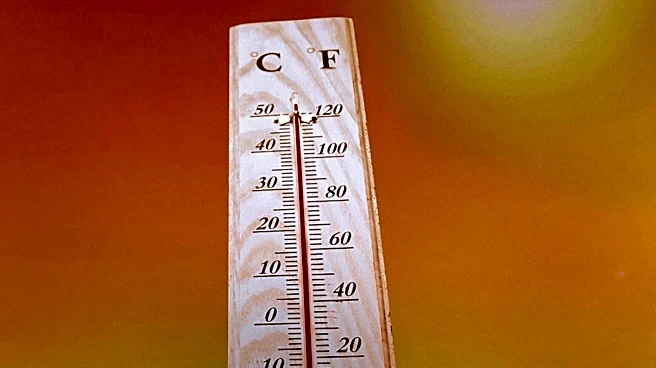
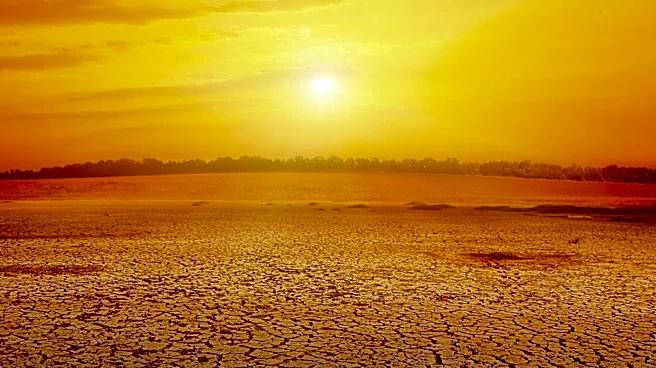
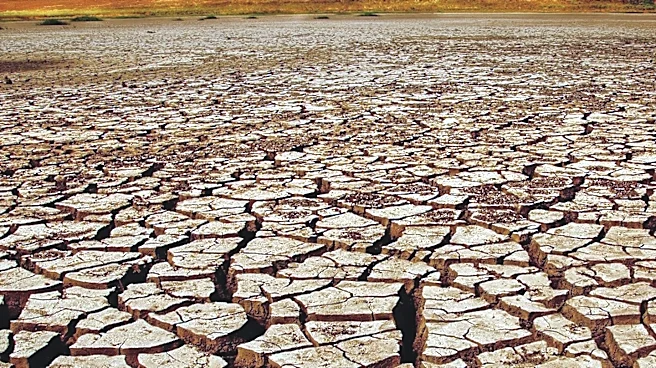
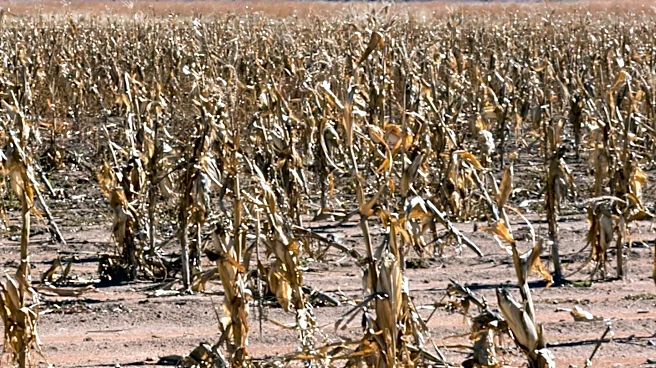
extreme heat, drought, and deluges, leading to significant crop failures. Experts warn that millions of smallholders could face acute hunger and poverty, increasing health problems and potentially child labor. Palm oil suppliers in Indonesia are reporting losses due to prolonged drought, while delayed rains in Sudan raise famine risks. In Central America, Guatemalan farmers are experiencing sharp reductions in food crops, prompting emergency declarations in El Salvador, Honduras, and Panama, as well as Bolivia and Peru. The United Nations estimates that this El Niño could push an additional 49 million people into acute hunger, with southern Africa and Central America being the hardest hit.
Why It's Important?
The widespread impact of El Niño on smallholder farmers highlights a fundamental vulnerability in global food systems. These farmers produce a significant portion of the world's food supply, including staples like rice, maize, cocoa, and coffee. The concentration of climate risks at the farm level, coupled with limited access to finance, resources, and technical support for smallholders, exacerbates the crisis. This situation not only threatens food security and global food prices but also exposes social challenges, such as increased child labor and workers' rights violations, as economic deprivation intensifies. The health consequences extend beyond immediate hunger, including increased risks of infectious diseases like malaria and dengue, and mental health issues due to prolonged stress and displacement. The current El Niño serves as a critical test of global preparedness for a hotter and more chaotic future.
What's Next?
Urgent short-term and long-term support for smallholder farmers is required from governments and agrifood companies. This includes improving El Niño early-warning systems to help farmers plan for impending weather extremes, promoting crop diversification with drought-resistant varieties, and incentivizing alternative revenue streams. Implementing agroforestry techniques, such as planting shade trees for coffee and cacao, and investing in climate-proofing measures like irrigation systems and rainwater harvesting are crucial. Experts advocate for a shift from reactive to anticipatory responses, emphasizing that climate finance for mitigation and adaptation must reach smallholder farmers. The ongoing impacts of El Niño will necessitate continuous monitoring of crop yields, food prices, and humanitarian needs, with a focus on supporting vulnerable populations and strengthening global food supply chains against future climate shocks.
Beyond the Headlines
The current El Niño event underscores the interconnectedness of climate, economy, and social well-being on a global scale. The disproportionate impact on smallholder farmers reveals deep-seated inequalities in the global agricultural system, where those most vulnerable to climate change often have the fewest resources to adapt. This crisis highlights the ethical imperative for developed nations and large corporations to invest in climate resilience in developing countries, not only for humanitarian reasons but also for the stability of global supply chains and economies. The long-term implications include potential shifts in agricultural practices, increased migration due to climate displacement, and heightened geopolitical tensions over food and water resources. Addressing these challenges requires a holistic approach that integrates climate science, economic policy, social justice, and international cooperation.