

What's Happening?
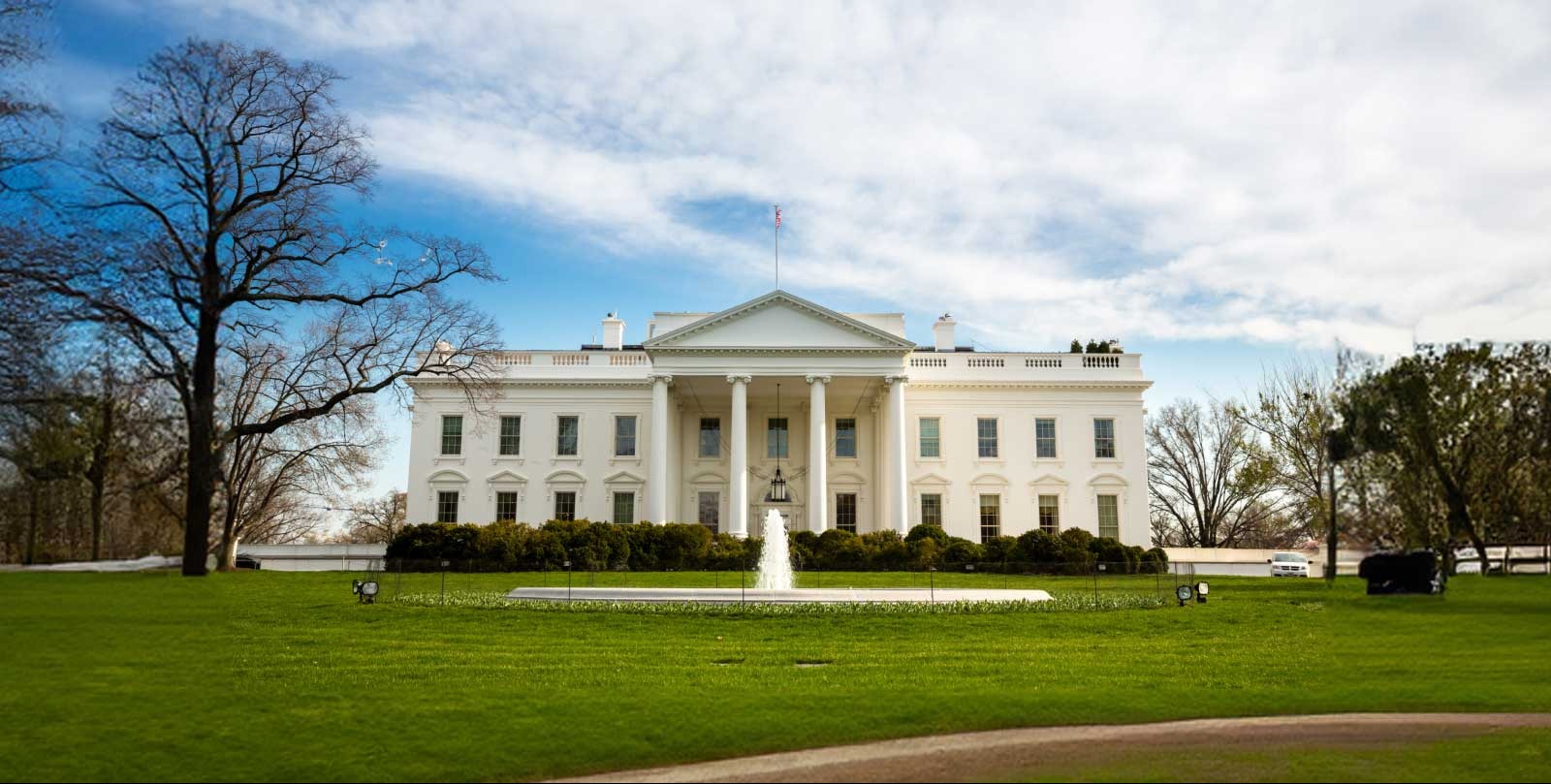
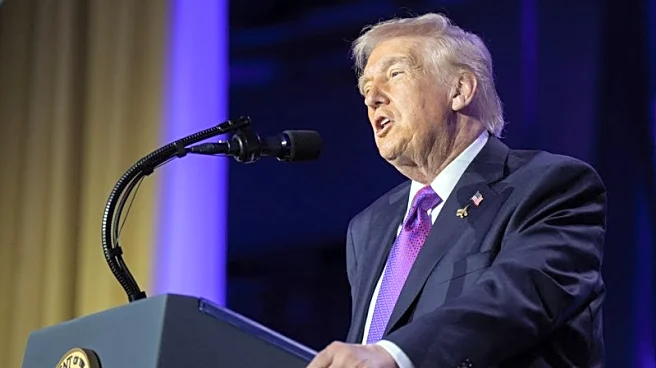
President Trump is focusing on significant architectural projects in Washington, D.C., as part of his second term. These projects include a proposed 250-foot-tall arch along the Potomac River, renovations to the Kennedy Center, and the installation of a Christopher
Columbus statue on the White House grounds. The arch, intended to be the largest of its kind, has drawn criticism for potentially altering the city's sightlines. The Kennedy Center is set to close for two years for reconstruction, with Trump emphasizing the use of existing materials rather than a complete rebuild. Additionally, Trump is considering a 'National Garden of American Heroes' near the Jefferson Memorial, featuring 250 statues of notable Americans. These initiatives reflect Trump's desire to leave a lasting legacy through physical changes to the capital.
Why It's Important?
These architectural endeavors highlight President Trump's focus on legacy-building through physical transformations in Washington, D.C. The projects are poised to impact the city's cultural and historical landscape, potentially altering iconic views and landmarks. The proposed changes have sparked debate over their aesthetic and historical implications, with some viewing them as a celebration of American history, while others see them as controversial. The initiatives also underscore Trump's identity as a builder, a role he has embraced throughout his career. By reshaping the capital's architecture, Trump aims to create enduring symbols of his presidency that will persist long after his term ends.
What's Next?
As these projects progress, they are likely to face scrutiny and debate from various stakeholders, including historians, architects, and the public. The proposed changes may prompt discussions about the preservation of historical sites and the balance between innovation and tradition in the nation's capital. The completion of these projects is expected to coincide with the end of Trump's presidency in 2029, ensuring that his architectural legacy will be a topic of discussion for years to come. Additionally, the impact on tourism and local businesses in Washington, D.C., will be closely monitored as these developments unfold.
Beyond the Headlines
The architectural projects initiated by President Trump may have deeper implications for how presidential legacies are constructed and remembered. By focusing on physical structures, Trump is creating tangible markers of his presidency that may influence how future administrations approach legacy-building. The emphasis on grandiose and controversial projects could set a precedent for future leaders seeking to leave their mark on the nation's capital. Furthermore, these initiatives may spark broader conversations about the role of public art and monuments in reflecting national values and history.